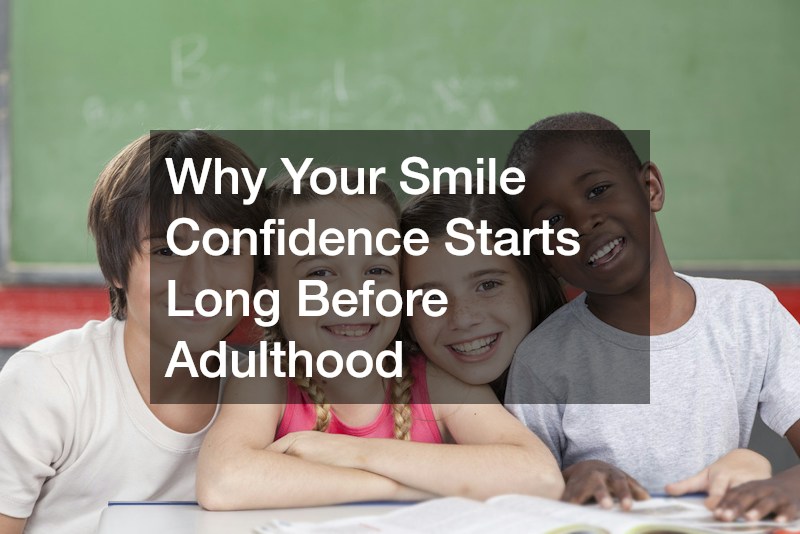


A confident smile is one of the first things people notice, and for many adults, that confidence was either built or chipped away during childhood. The habits, experiences, and dental care a child receives in their early years shape not just the health of their teeth, but how comfortable they feel showing them off for decades to come. If you are a parent trying to understand what actually influences a lifetime of smile confidence, the answer starts much earlier than most people assume. Understanding these early building blocks can help you make better decisions right now, no matter how old your child is today.
Baby Teeth Matter More Than Most Parents Realize
Many parents assume that since baby teeth eventually fall out, their condition does not really matter in the long run. In reality, baby teeth hold space for permanent teeth and guide them into proper position as they grow. When baby teeth are lost too early due to decay or injury, the surrounding teeth can shift and crowd the space meant for adult teeth. This early crowding is one of the most common reasons children later need extensive orthodontic work.
Cavities in baby teeth can also cause pain and infection that affect a child’s eating habits, speech development, and willingness to smile openly. A child who associates their mouth with discomfort may become self-conscious before they even reach school age. Protecting baby teeth is not just about avoiding cavities for the sake of avoiding cavities, it is about setting the stage for healthy adult teeth and a child who feels good about their smile from the start.
Early Dental Visits Build Lifelong Comfort and Habits
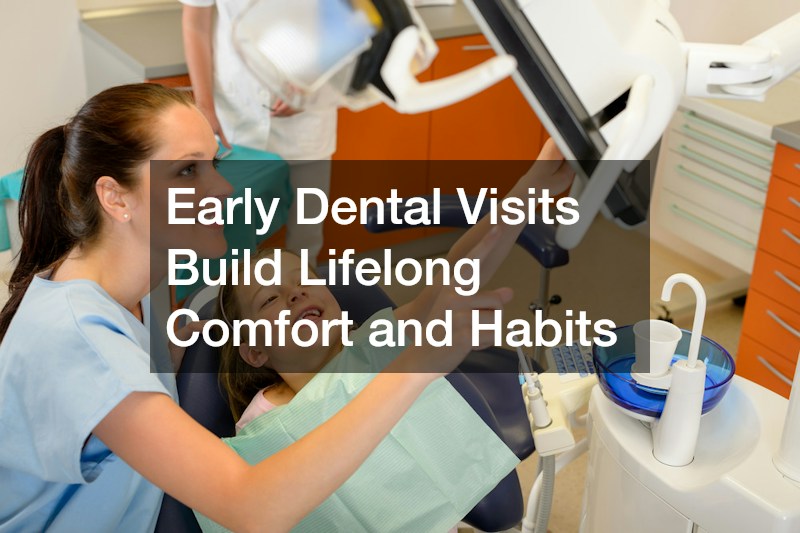
The age at which a child first sees a dentist can shape how they feel about dental care for the rest of their life. Most dental professionals recommend a first visit around the child’s first birthday, well before any serious issues typically appear. These early appointments are less about treatment and more about familiarizing the child with the environment, the sounds, and the routine of dental checkups.
Children who grow up with regular visits to the dentist tend to experience far less anxiety about dental care as teenagers and adults. This comfort translates directly into smile confidence because they are more likely to seek treatment when something looks or feels off instead of hiding it out of fear. A positive relationship with a dentist built in early childhood often removes the dread that keeps many adults from addressing cosmetic or functional dental concerns later in life.
- Schedule a first dental visit by age one, even if teeth have just started coming in
- Choose a practice that specializes in working with young children
- Keep visits consistent every six months to build familiarity
- Use positive language at home about dental checkups to avoid transferring anxiety
Nutrition and Daily Habits Shape Tooth Development
What a child eats and drinks during their formative years has a direct impact on enamel strength and overall oral health. Frequent exposure to sugary drinks, juice, and snacks throughout the day creates an environment where cavity-causing bacteria thrive. Parents who limit sugary snacks to mealtimes rather than constant grazing give their child’s teeth a better chance at staying strong and cavity-free.
Daily brushing and flossing habits established in early childhood tend to stick with people into adulthood. A child who learns to brush twice a day and floss regularly before age six is far more likely to continue that routine without needing reminders as a teenager. These small daily actions compound over years, directly influencing whether a person feels proud or embarrassed by their smile as they get older.
Thumb Sucking and Other Habits Affect Alignment
Many young children suck their thumb or use a pacifier for comfort, and in moderation this is completely normal. However, prolonged thumb sucking past the age of four or five can start to push teeth out of alignment and affect the shape of the roof of the mouth. Tongue thrusting and prolonged pacifier use carry similar risks, often creating open bites or gaps that become more noticeable as a child grows.
Catching these habits early gives parents the chance to address them gently before they cause lasting structural changes. Simple strategies like positive reinforcement, habit reminders, or consulting a pediatric professional can help a child transition away from these behaviors. The earlier these patterns are corrected, the less likely a child will need significant intervention to fix alignment issues down the road.
- Watch for thumb sucking or pacifier use continuing past age four
- Look for signs of tongue thrusting during swallowing
- Offer gentle, positive reminders rather than punishment
- Talk to a dental professional if habits persist despite efforts at home
Orthodontic Evaluation Timing Can Prevent Bigger Issues
Many parents wait until their child is a teenager to even consider orthodontic evaluation, but earlier assessment can make a significant difference. Dental professionals generally recommend an orthodontic check around age seven, when enough permanent teeth have come in to identify developing problems. At this stage, issues like crowding, crossbites, or jaw growth concerns can often be addressed with simpler, shorter interventions than if left until the teenage years.
Early treatment with kids braces or other guided appliances can sometimes correct problems while the jaw is still growing and more responsive to gentle adjustment. This does not always mean a child will need two full rounds of treatment, but catching issues early often reduces the complexity and duration of any orthodontic work needed later. For children who do eventually need braces, starting the conversation early gives families time to plan, budget, and choose the right approach without feeling rushed.
- Schedule an orthodontic evaluation around age seven
- Ask about early intervention options if crowding or bite issues are visible
- Understand that early treatment may reduce the complexity of later care
- Discuss timeline and cost expectations well in advance
Confidence Grows From Consistent Positive Reinforcement
Beyond the physical health of a child’s teeth, their emotional relationship with their smile plays an enormous role in long-term confidence. Children who are teased about their teeth, whether due to gaps, color, or alignment, can internalize negative feelings that persist well into adulthood. Parents and caregivers who speak positively about a child’s smile and avoid drawing excessive attention to imperfections help build a healthier self-image.
Encouraging children to smile freely in photos, celebrate milestones like losing teeth, and feel proud rather than self-conscious sets a tone that follows them for years. Confidence is not just about having perfectly straight or white teeth, it is about feeling comfortable enough to smile without hesitation. That emotional foundation, built through everyday encouragement at home, often matters just as much as the clinical care a child receives.
Smile confidence is not something that suddenly appears in adulthood, it is built gradually through years of habits, care, and encouragement during childhood. From early dental visits to how parents talk about teeth at home, every small decision contributes to how comfortable a person feels smiling later in life. If your child is still young, there is no better time than now to start building these foundations. Consider scheduling a dental checkup soon if it has been a while, and keep an eye on developmental milestones that could benefit from early attention.