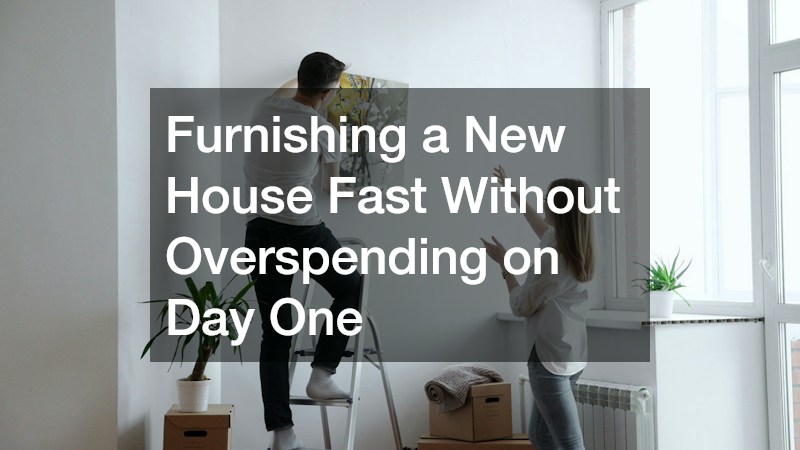

Moving into a new house is exciting, but an empty living room can quickly make you feel pressure to buy everything at once. That rush often leads to impulse purchases, maxed-out credit cards, and furniture you regret within a year. The good news is that you can make a new house feel like home within days without draining your savings on day one. With a little planning and the right priorities, you can furnish smart now and upgrade later.
Identify the Rooms You Actually Use First
Before buying anything, figure out which rooms matter most to your daily routine. Most people only truly need a working bedroom, a functional kitchen, and one comfortable seating area in the first week. Everything else, including guest rooms, home offices, and formal dining spaces, can wait a few weeks or months without affecting your quality of life.
Making this list first helps you avoid the common trap of buying decor for rooms you have not even settled into yet. It also gives you a clear budget framework, since you can allocate more money to high-use spaces and less to rooms you will rarely enter.
- Rank rooms by how often you will use them daily
- Separate must-haves from nice-to-haves in each room
- Set a rough spending cap per room before shopping
- Delay furnishing guest rooms or formal spaces for at least 60 days
Build a Realistic Budget Before You Shop
Setting a total furnishing budget before you walk into a store or browse online keeps emotional spending in check. Many new homeowners underestimate how quickly costs add up once delivery fees, taxes, and small accessories get added to the final bill. A written budget, even a simple one on your phone, forces you to prioritize and compare prices instead of grabbing whatever looks good in the moment.
It also helps to separate your budget into phases rather than trying to furnish the entire house in one trip. Phase one covers only the essentials for sleeping, eating, and sitting comfortably, while phase two can wait until you have had time to live in the space and understand what you actually need.
- Add 10 to 15 percent to your estimate for delivery and taxes
- Track spending in a simple spreadsheet or budgeting app
- Set aside a small cushion for unexpected replacements
- Avoid financing furniture with high interest credit unless necessary
Shop Secondhand and Floor Model Sales Strategically
Buying gently used or floor model furniture can cut costs by half or more compared to brand new pieces. Marketplace listings, estate sales, and local thrift stores often have solid wood furniture that outlasts cheaper new alternatives. The key is knowing what to inspect before buying, since secondhand pieces vary widely in condition.
Floor models at furniture stores are another overlooked option, since retailers often discount them heavily just to clear showroom space. These pieces are typically in excellent condition and sometimes come with warranty coverage, making them a lower risk than buying from an unknown seller online.
- Check joints, drawers, and upholstery seams for wear
- Ask about floor model discounts even if none are advertised
- Measure doorways and stairwells before buying anything large
- Negotiate price on secondhand items, especially for cash pickup
Plan Ahead If You Are Relocating for Work

If your move is tied to a new job, it is worth checking whether your employer offers any relocation assistance before you spend a dollar on furniture. Many companies that handle corporate moving for employees will cover part or all of the cost of transporting existing furniture, which can save you from having to buy everything new at your destination. This benefit is often underused simply because employees do not think to ask about it during the offer or transfer process.
Even partial reimbursement can change your furnishing strategy significantly, since bringing familiar pieces from your old home reduces both cost and stress. If your employer does not offer this directly, ask whether they partner with a relocation service that provides it at a discounted rate for new hires.
- Ask HR about relocation assistance before accepting a transfer
- Request details in writing to avoid confusion later
- Compare the cost of moving existing furniture versus buying new
- Keep receipts if reimbursement requires documentation
Mix Budget Pieces With a Few Investment Items
You do not need every piece of furniture to be expensive, but a few well-chosen investment items can make a room feel complete faster. A quality mattress and a comfortable sofa are usually worth spending more on, since you use them daily and poor quality versions wear out fast. Items like side tables, lamps, and decor pieces are better suited for budget shopping since they are easy to swap out later.
This mixed approach also protects you from decision fatigue, since you are not trying to find the perfect version of every single item right away. Instead, you focus your energy and money on the pieces that matter most, while filling in the rest with affordable, temporary solutions.
- Prioritize spending on mattresses, sofas, and work chairs
- Save money on decorative accessories and small tables
- Buy versatile pieces that work in multiple rooms
- Avoid trendy items that may feel dated within a year
Create a Timeline for Filling In the Remaining Rooms
Once the essentials are in place, set a realistic timeline for furnishing the rest of the house over the following months. Trying to do everything within the first two weeks often leads to rushed decisions and buyer’s remorse. Spacing out purchases also lets you catch sales events and avoid paying full price for items you are not in a rush to have.
A simple three month plan works well for most households, with each month dedicated to a specific area of the house. This approach keeps your budget manageable and gives you time to live in the space before committing to permanent furniture choices for less urgent rooms.
- Month one: bedrooms, kitchen essentials, main seating area
- Month two: dining room and home office setup
- Month three: guest rooms, outdoor furniture, and final decor
- Reassess your budget at the start of each new phase
Furnishing a new house does not have to mean emptying your savings account in the first week. By focusing on the rooms you use most, setting a clear budget, and spacing out purchases over a few months, you can create a comfortable home without financial stress. Take it one room and one paycheck at a time, and the rest of the house will come together naturally.