

Your body sends signals long before a real crisis hits, but most people wait days or weeks to act on them, hoping the pain, swelling, or strange symptom will just fade away. That delay can turn a manageable issue into a serious one, and it can also mean missing out on simple interventions that work best when caught early. This article walks through the most common warning signs people ignore, where to go for same-day answers, and how to tell which option fits your situation.
Recognizing the Symptoms That Should Never Wait
Not every ache requires immediate attention, but certain symptoms are your body’s way of waving a red flag. Chest tightness or pressure, sudden numbness on one side of the body, slurred speech, severe abdominal pain, a high fever that won’t break despite medication, or a cut that won’t stop bleeding after ten to fifteen minutes of firm pressure all fall into this category. Shortness of breath that appears out of nowhere, sudden vision changes, and confusion that seems unlike the person’s normal state belong on this list too. Waiting to see if these symptoms resolve on their own can allow a treatable condition to progress into something far more dangerous. A heart attack, stroke, or internal bleeding can turn from manageable to life-threatening within a matter of hours, and in some cases, minutes. The window for effective treatment is often narrow — clot-busting medications for stroke, for example, are most effective within the first three hours of symptom onset. Learning to distinguish between “wait and see” symptoms and “act now” symptoms is one of the most valuable skills you can develop for your own health. A helpful rule of thumb: ask whether the symptom is sudden, severe, or spreading. Symptoms that hit all three criteria — like sudden, severe pain that radiates or numbness that spreads up a limb — are the ones that warrant same-day or emergency care rather than a wait-it-out approach.
- Sudden shortness of breath or chest pressure, especially with sweating, nausea, or pain radiating to the arm or jaw
- Confusion, slurred speech, or facial drooping — classic stroke signs where every minute of delay costs brain function
- A fever above 103 degrees in adults, or any fever paired with a stiff neck, rash, or difficulty staying awake
- Severe, localized pain that worsens over hours, particularly in the abdomen, back, or head
- Any wound that exposes bone or deep tissue, won’t stop bleeding after 10 minutes of pressure, or shows signs of spreading infection
- Sudden vision changes, such as blurring, double vision, or temporary blindness in one eye
- Unexplained swelling, numbness, or weakness on one side of the body
Same Day Options When Your Doctor Cannot See You

One of the biggest frustrations people face is calling their primary care office only to learn the next available appointment is a week or more away. That gap is exactly why walk-in medical clinics exist, and knowing how to use them properly can save you both time and stress. An urgent care center is built for exactly this kind of situation, handling sprains, infections, minor fractures, and persistent symptoms without the long wait times of a hospital. These facilities are typically staffed with physicians, nurse practitioners, or physician assistants who can order X-rays, run basic labs, and prescribe medication on the spot.
The key is recognizing that these clinics are meant to bridge the gap between a routine checkup and a true emergency, not replace either one. If your symptom is uncomfortable but stable, this route often gets you seen within an hour or two rather than days. Many locations now offer online check-in, which lets you hold a place in line from home and arrive closer to your actual appointment time.
Knowing When a Hospital Visit Is the Right Call
There is a meaningful difference between symptoms that need quick attention and symptoms that need immediate, intensive care. An emergency clinic or hospital emergency department is equipped to handle life-threatening conditions like heart attacks, strokes, severe allergic reactions, and major trauma, with access to imaging, surgical teams, and critical care units around the clock. Choosing this option when it is genuinely warranted can be the difference between a full recovery and a permanent complication. If you are ever unsure whether your situation qualifies, it is always safer to err on the side of going in rather than waiting it out at home.
- Chest pain lasting more than a few minutes
- Signs of stroke, such as one-sided weakness or vision loss
- Severe allergic reactions with swelling or difficulty breathing
- Uncontrolled bleeding or a suspected broken bone with visible deformity
- Loss of consciousness, even briefly
Hormonal and Sexual Health Signals Worth Investigating
Not all warning signs are dramatic or sudden. Some show up gradually, like persistent fatigue, low libido, mood changes, or difficulty with sexual performance, and people often dismiss these as normal aging rather than treatable conditions. Hormonal imbalances and circulation issues are common culprits, and there are now same-day consultations available that specifically address these concerns rather than leaving patients to guess. One option that has gained attention in recent years is the pshot, a treatment that uses the body’s own platelet-rich plasma to address sexual performance concerns, and many clinics now offer initial evaluations without a long wait.
The takeaway here is that quiet, gradual symptoms deserve the same willingness to seek answers as sudden ones. Waiting months or years to mention these changes to a provider often means living with a lower quality of life longer than necessary. A same-day consultation can at least clarify whether the issue is hormonal, vascular, psychological, or something else entirely.
Mental Health and Substance Use Warning Signs
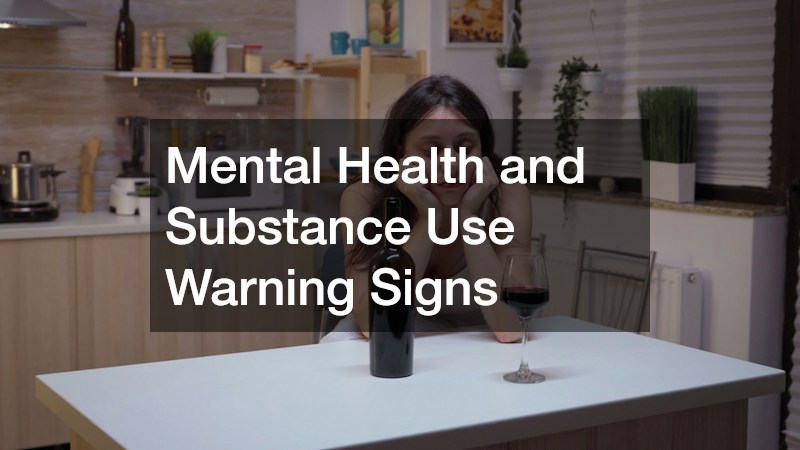
Physical symptoms are not the only signals worth acting on quickly. Changes in sleep, appetite, mood, or the inability to control alcohol or drug use are all warning signs that deserve a prompt response rather than being pushed aside. For individuals struggling with substance use, transitioning out of detox or treatment into a stable daily routine is often where recovery succeeds or fails, which is why sober living environments have become such a valuable bridge. These structured homes provide accountability, peer support, and a drug-free environment while someone rebuilds their independence.
Recognizing the need for this kind of support early, rather than after a relapse, tends to produce better long-term outcomes. Family members are often the first to notice warning signs, including withdrawal from relationships, missed work, or secretive behavior, and raising concerns sooner rather than later can open the door to help before a crisis occurs.
Skin Changes and Cosmetic Concerns That Need a Professional Opinion
Not every warning sign is a medical emergency, but skin changes deserve attention because they can indicate anything from a benign reaction to something more serious. A new mole with irregular borders, a rash that spreads quickly, or unexplained bruising are all reasons to get a same-day opinion rather than waiting for your next scheduled appointment. It is also worth noting that cosmetic and dermatological procedures carry their own safety standards that consumers should understand before booking anything. Providers performing skin treatments with lasers are required to hold proper laser certification, and asking about this credential before scheduling a procedure is a reasonable and smart question to ask.
- A mole that changes size, shape, or color
- A rash accompanied by fever or difficulty breathing
- Unexplained bruising or bleeding under the skin
- Persistent itching with no clear cause
- Any skin treatment performed by an uncertified provider
Building a Personal Action Plan for Future Warning Signs
The best time to figure out where you will go for care is before you actually need it. Spend a few minutes researching the walk-in clinics, urgent care centers, hospitals, and specialists within a short drive of your home, and keep that list somewhere accessible, whether it’s a note on your phone, a magnet on the fridge, or a shared document your family can reach too. Go a step further and jot down each option’s hours, typical wait times, and what it actually treats well. Urgent care is usually the right call for a sprained ankle or a stubborn fever, while chest pain, sudden numbness, or severe bleeding warrant a straight trip to the emergency room. Knowing the difference ahead of time means you won’t waste precious minutes deciding where to go when a symptom actually shows up. It also helps to know your insurance coverage in advance: which facilities are in-network, what your copay looks like for urgent care versus an ER visit, and whether your plan requires a referral before seeing a specialist. Save your insurance card information, your primary doctor’s contact details, and a short list of current medications and allergies in one place so you can hand them over quickly if needed. Removing that layer of logistical stress means you can focus entirely on your symptoms and your health when you’re already anxious.
- Save the phone numbers and addresses of two or three nearby clinics, including at least one urgent care center and one that offers evening or weekend hours
- Keep a written list of current medications, dosages, and allergies for quick reference, and store a backup copy on your phone or wallet card
- Know which symptoms call for a same-day visit versus a scheduled one, such as sudden chest pain versus a mild, lingering cough
- Identify a trusted friend or family member who can drive you if needed, and confirm they’re comfortable being on-call for short-notice requests
- Review your insurance plan’s coverage for walk-in and emergency visits, noting copays, in-network urgent care options, and any pre-authorization rules
- Set aside a small folder or digital note with your doctor’s contact information and recent test results for faster check-ins
Your body rarely stays silent before something goes wrong, and the real skill lies in listening early and responding without delay. Whether the answer is a quick visit to a walk-in clinic, a trip to the nearest hospital, or a conversation with a specialist about a quieter, ongoing concern, same-day answers exist for almost every situation. Waiting rarely makes a warning sign less serious, but acting on it promptly almost always improves the outcome. Take the time now to know your options, so you are ready the moment your body asks for attention.