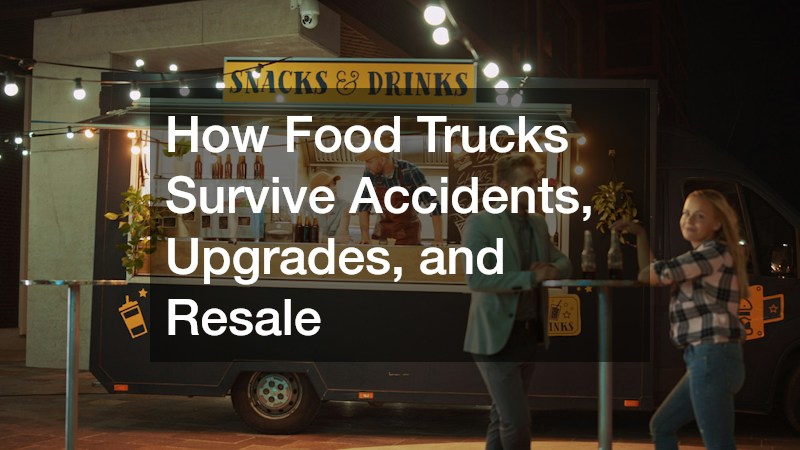


Buying or running a food truck is an exciting way to build a business, but the realities of life on the road eventually catch up with every mobile kitchen. Fender benders, mechanical breakdowns, outdated equipment, and the eventual decision to sell all raise the same question: how do food trucks actually hold up over time? Whether you own one, are thinking about buying one, or just want to understand what goes into keeping these rolling restaurants on the street, knowing what happens behind the scenes can help you make smarter choices. This article walks through the practical side of accidents, repairs, upgrades, and resale so you know what to expect at every stage.
Handling the Aftermath of a Road Accident
Food trucks spend far more time on the road than most people realize, moving between events, commissaries, and service locations, which means the odds of a collision are higher than for a typical parked restaurant. When an accident happens, the first priority is always safety, followed quickly by documentation, since insurance claims for commercial vehicles often require more detailed paperwork than a standard auto policy. Owners need to think about both the vehicle damage and the kitchen equipment inside, because a hard impact can knock loose propane lines, shift heavy appliances, or crack water tanks even if the exterior damage looks minor.
Getting a thorough inspection after any accident, even a seemingly small one, protects both the business and public safety. A truck that looks fine on the outside may have frame damage that affects handling or long-term structural integrity.
- Take photos of all damage, inside and outside, before anything is moved or cleaned
- Keep a copy of your commercial auto insurance policy in the truck at all times
- Have the truck inspected by a mechanic familiar with commercial vehicles, not just a general auto shop
- Check gas lines and electrical systems before resuming any food service
- Notify your health department if structural repairs affect food prep areas
Choosing the Right Shop for Vehicle Repairs
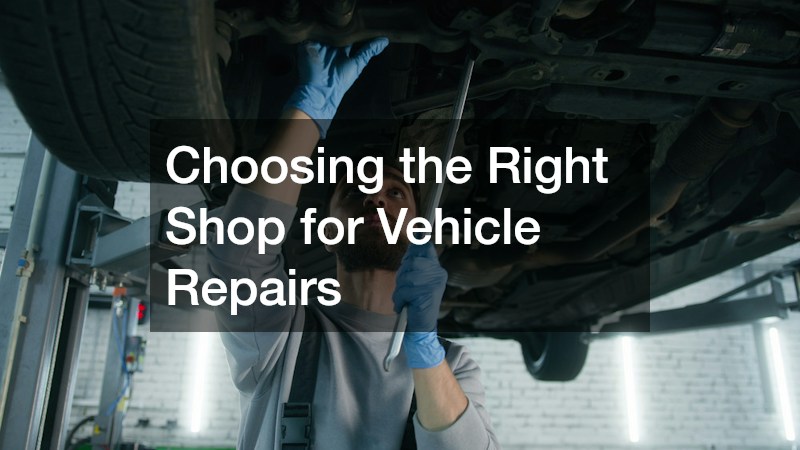
Not every auto body shop understands the unique build of a food truck, so finding the right place for collision repair matters more than many new owners expect. A standard shop might fix the frame and paint the exterior without accounting for the custom electrical, plumbing, or ventilation systems built into the walls and roof. Look for a shop with experience working on commercial vehicles or specialty trucks, since they will know how to work around equipment mounts, generator housings, and custom cutouts without causing additional damage.
Cost and timeline are two major concerns after any accident, and they tend to be connected. A shop that rushes through collision repair to get the truck back on the road quickly may overlook smaller issues that turn into bigger problems later, so it is worth asking detailed questions before committing to a repair plan.
- Ask whether the shop has experience with food trucks or similar commercial vehicles
- Request a written estimate that separates vehicle repair from equipment repair
- Confirm how the repair will affect your health inspection certification
- Ask about warranty coverage on both parts and labor
- Get a timeline in writing so you can plan around lost business days
Upgrading Equipment Without Breaking the Budget
Even without an accident, food truck equipment wears out faster than in a traditional restaurant because of constant vibration, temperature swings, and tight quarters. Griddles, fryers, refrigeration units, and generators all have a shorter practical lifespan on a truck than they would in a stationary kitchen. Planning upgrades proactively, rather than waiting for something to fail during service, helps owners avoid losing a full day of revenue.
It helps to think of upgrades in two categories: things that improve efficiency and things that are required to stay compliant. A newer generator might cut fuel costs and noise complaints, while updated fire suppression systems may be mandated by local codes. Prioritizing based on safety requirements first, then efficiency gains, keeps spending focused on what actually matters.
- Replace refrigeration seals and gaskets before they fail completely, not after
- Upgrade fire suppression and ventilation systems according to local fire code updates
- Consider energy efficient equipment to reduce generator strain and fuel costs
- Keep maintenance logs so you know which equipment is approaching the end of its lifespan
- Budget for equipment upgrades annually rather than treating them as emergencies
Deciding When Repair Costs Outweigh the Vehicle’s Value
At some point, every truck owner has to weigh the cost of fixing a problem against simply replacing the vehicle. This is especially true for older trucks that have been through multiple accidents or years of heavy use, where the chassis or engine may be nearing the end of its useful life. A mechanic can help estimate whether the truck still has enough value to justify another round of repairs.
Owners sometimes assume a vehicle is a total loss when it actually has years of life left, or they keep repairing a truck that has become a financial drain. Getting an honest, third party assessment of the vehicle’s condition, separate from the person doing the repairs, gives a clearer picture of whether to invest more money or start planning an exit.
- Compare the repair estimate to the truck’s current resale value before committing
- Factor in the age and mileage of the base vehicle, not just the kitchen build
- Ask a mechanic about the condition of the transmission, frame, and engine specifically
- Consider how many more years you plan to operate the business
- Get a second opinion if a repair estimate seems unusually high
Preparing a Mobile Kitchen for Resale
When it is time to sell, presentation and documentation matter just as much as they do with any used vehicle. Buyers want to see maintenance records, past repair history, and proof that the truck has been kept up to code. A clean, well-documented truck sells faster and for a better price than one with an unclear history.
Many sellers find that working with dealers who specialize in box truck sales can simplify the process, since these buyers understand commercial vehicle value in a way a general used car lot typically does not. They can also help sellers understand how modifications, mileage, and condition affect a fair asking price. Getting multiple valuations before settling on a price helps ensure the truck is not sold for less than it is worth.
- Gather all maintenance and repair records before listing the truck
- Clean and detail both the cab and the kitchen area thoroughly
- Fix small cosmetic issues that can make the whole truck look neglected
- Get a written inspection report to share with serious buyers
- Compare offers from multiple buyers before accepting one
Keeping a food truck running smoothly, and eventually selling it for a fair price, comes down to staying proactive rather than reactive. Address accidents quickly and thoroughly, invest in upgrades before they become emergencies, and know when it makes more sense to sell than to keep repairing. Whether you are managing a truck today or considering buying one, understanding these stages will help you avoid costly surprises down the road.