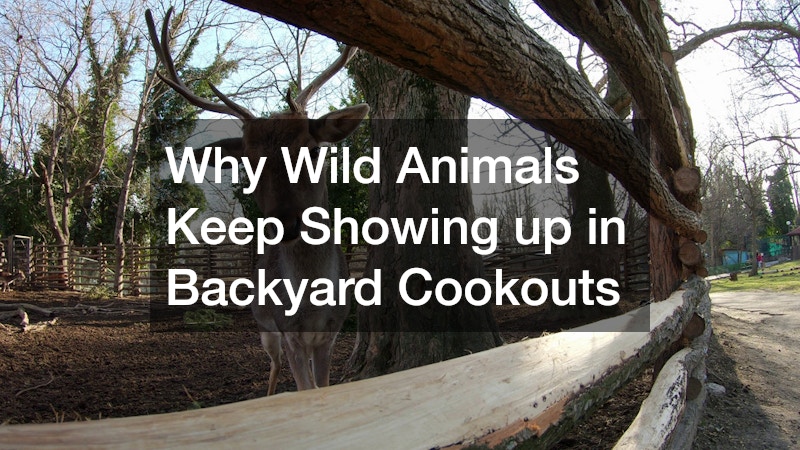


There’s nothing like flipping burgers on a summer evening only to spot a raccoon eyeing your potato salad or a family of skunks strolling past the picnic table. Backyard cookouts and wild animal visits seem to go hand in hand more often than most homeowners expect, and it’s not just bad luck. Understanding why these encounters happen can help you protect your food, your pets, and your guests while keeping local wildlife safely at a distance. This guide breaks down the real reasons animals crash your outdoor gatherings and what you can do about it.
The Smell of Grilled Food Travels Farther Than You Think
Cooking meat outdoors releases a powerful combination of smoke and fat aromas that can drift hundreds of yards, especially on breezy evenings. Wild animals like raccoons, foxes, and even black bears in rural areas have noses far more sensitive than ours, capable of detecting food odors from remarkable distances. What smells like a normal cookout to you reads as a dinner invitation to a hungry animal wandering nearby. This is one of the simplest and most overlooked reasons backyard gatherings attract unexpected guests.
The type of food you’re grilling also matters. Fatty meats, sugary marinades, and sweet desserts tend to be the biggest draws because they mimic high-calorie foods animals seek out naturally in the wild.
- Burgers, ribs, and sausages produce strong, far-reaching scents
- Sweet sauces and glazes attract insects, which in turn attract animals
- Leftover grease left on grill grates can linger for days
- Wind direction can carry smells well beyond your property line
Unsecured Trash and Leftovers Create Standing Invitations
Even after the party ends, the mess left behind can keep attracting animals for days. Overflowing trash cans, unwashed dishes, and food scraps left on tables or the ground send a clear signal that easy meals are available. Once an animal finds a reliable food source in your yard, it will likely return again and again, sometimes bringing others along with it.
This pattern is especially common with raccoons and opossums, which are intelligent enough to remember productive foraging spots. A single messy cookout can turn your backyard into a regular stop on a nocturnal animal’s nightly rounds, making future encounters far more likely.
- Use trash cans with locking or clamping lids
- Rinse food residue off plates before leaving them outside
- Store bagged trash in a garage or shed until pickup day
- Clean up fallen food scraps immediately after eating
Suburban Development Is Pushing Animals Closer to Homes
As neighborhoods expand into former woodlands and fields, wild animals lose natural habitat and food sources, forcing them to adapt to living near people. Backyards with grills, gardens, and bird feeders start to look like reliable alternatives to shrinking wilderness areas. This shift means more frequent sightings of coyotes, deer, and raccoons in areas that were once considered purely residential.
Animals that grow up in these transitional zones often lose much of their natural wariness toward humans. They become bolder over time, approaching occupied yards and even active cookouts if they’ve learned that people mean food rather than danger.
Certain Times of Day and Year Bring More Wildlife Activity
Wild animal encounters tend to spike during dusk and early evening hours, which unfortunately overlaps with peak cookout time for most families. Many species, including raccoons, skunks, and opossums, are most active during these low-light hours when they feel safer foraging. Hosting a cookout right as the sun sets essentially puts your food out during prime wildlife feeding time.
Seasonal patterns matter too. Late summer and early fall often bring increased animal activity as they build up fat reserves for winter, making them more motivated to seek out easy calories wherever they can find them.
- Dusk and dawn are peak activity windows for most backyard wildlife
- Spring brings mothers foraging heavily to feed their young
- Late summer and fall activity increases as animals prepare for colder months
- Moving cookouts earlier in the day can reduce encounter risk
Handling an Animal Encounter Safely During Your Cookout
If a wild animal approaches your gathering, the safest response is usually to stay calm, make noise from a distance, and give the animal a clear path to leave on its own. Never attempt to feed, corner, or chase a wild animal, since even normally timid species can become defensive when threatened or trapped. If an animal appears sick, aggressive, or unusually unafraid of people, it’s best to keep children and pets indoors and avoid direct contact entirely.
Bites or scratches from wild animals should be treated seriously, since the risk of rabies and other infections is real. If someone is injured during an encounter, seeking care at emergency vets or a hospital promptly is important, particularly if the animal cannot be identified or observed for signs of illness. For pets that get too close to a wild visitor, a quick call to your regular vet office can help determine whether vaccinations or precautionary treatment are needed.
Long-Term Solutions for Keeping Wildlife Away From Your Yard
Preventing repeat visits requires more than cleaning up after one cookout. Homeowners dealing with persistent wildlife problems, especially burrowing animals or those nesting near the house, often benefit from a broader approach to yard management. Simple deterrents work for occasional visitors, but established animal activity may need more targeted solutions.
When wildlife becomes a recurring issue rather than an occasional nuisance, professional animal removal services can safely relocate animals that have taken up residence on your property. These services are especially useful for dealing with dens, burrows, or nests that DIY methods can’t fully address without risking injury or repeat infestation.
- Trim back brush and dense vegetation near patios and decks
- Seal off gaps under decks, sheds, and porches where animals can nest
- Install motion-activated lights or sprinklers as deterrents
- Keep pet food and bird feeders away from cookout areas
- Consider professional help for persistent or aggressive wildlife problems
Wild animals showing up at backyard cookouts usually comes down to a simple equation: appealing smells, easy food access, and shrinking natural habitat. By securing food, cleaning up promptly, and understanding peak wildlife activity times, you can significantly reduce the chances of an unwelcome guest joining your next gathering. If encounters become frequent or animals start nesting on your property, don’t hesitate to reach out for professional guidance to keep your family, pets, and local wildlife safe.