


You brush twice a day, floss when you remember, and see a dentist every so often, yet cavities or gum irritation still creep up. What you eat over the course of a week matters just as much as your brushing habits, often more than people realize. Your teeth and gums respond to patterns, not just single meals, which means the snacks you reach for on a random Tuesday afternoon are quietly building or breaking down your oral health. Understanding these patterns can help you make small, sustainable changes that protect your smile for years to come.
Sugar Frequency Matters More Than Sugar Amount
Most people assume a large dessert once a week is worse than small sugary snacks spread across several days, but the opposite is often true for dental health. Every time sugar hits your teeth, oral bacteria produce acid that attacks enamel for about 20 to 30 minutes. If you sip a sugary drink slowly over an hour or snack on candy throughout the afternoon, you are essentially keeping your mouth in a constant acid bath.
This is why timing and frequency deserve more attention than portion size alone. A single slice of cake eaten after dinner does less damage than the same amount of sugar nibbled in small pieces between meals.
- Eat sugary foods with meals rather than as standalone snacks
- Choose one sitting for treats instead of grazing throughout the day
- Rinse with water after sugary or acidic foods when brushing isn’t possible
- Limit sipping on soda, juice, or sweetened coffee over long periods
Acidic Foods and Enamel Erosion Over Time
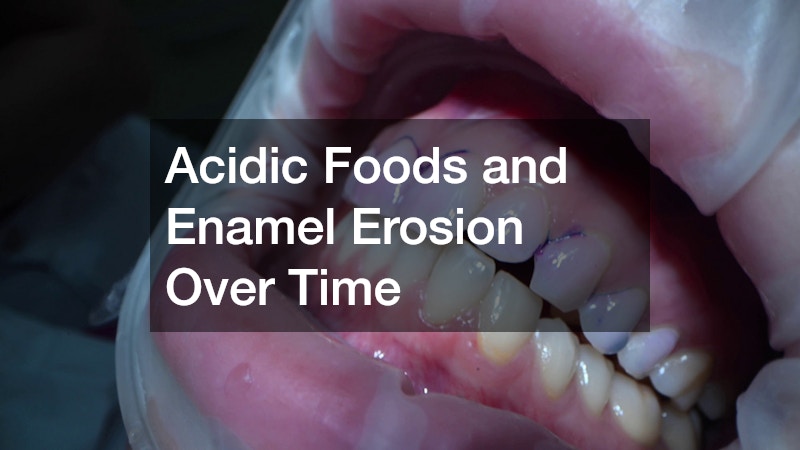
Citrus fruits, vinegar-based dressings, sparkling water, and wine all carry a level of acidity that can soften enamel temporarily. This is not usually a problem for occasional consumption, but a weekly pattern of frequent acidic exposure without recovery time can wear enamel down gradually. Once enamel erodes, it does not grow back, which makes prevention far more practical than repair.
Some people who care deeply about minimizing chemical exposure and supporting the body’s natural processes look into biological dentistry as a philosophy for managing these long term effects. This approach often emphasizes diet, saliva balance, and remineralization strategies alongside standard preventive care. Whether or not you pursue that specific path, the underlying lesson applies broadly: giving your enamel time to recover between acidic exposures matters.
- Wait at least 30 minutes after acidic foods before brushing
- Pair acidic foods with dairy or leafy greens to help neutralize pH
- Use a straw for acidic beverages to reduce contact with teeth
- Keep citrus and vinegar-based meals to a few times per week rather than daily
Calcium and Phosphorus Rich Foods for Enamel Strength
Your teeth rely on a steady supply of minerals to stay strong, and calcium and phosphorus are the two workhorses behind that process. These minerals help remineralize enamel that has been softened by acid, essentially repairing microscopic damage before it becomes a cavity. A weekly diet that includes cheese, yogurt, almonds, and leafy greens gives your mouth the raw materials it needs to bounce back from everyday wear.
Dairy products are particularly effective because they combine calcium with casein, a protein that helps protect enamel surfaces. If dairy isn’t part of your diet, fortified plant milks, tofu, and sesame seeds offer similar benefits.
- Cheese and yogurt for calcium and casein protein
- Leafy greens like kale and spinach for calcium and fiber
- Almonds and sesame seeds for plant based calcium
- Fish with edible bones, such as sardines, for phosphorus
Fiber, Saliva Production, and Natural Cleaning
Crunchy fruits and vegetables do more than provide vitamins, they also stimulate saliva production, which is one of your mouth’s best natural defenses. Saliva neutralizes acid, washes away food particles, and delivers minerals back to your teeth throughout the day. Apples, carrots, and celery act almost like natural toothbrushes, scrubbing surface residue while triggering the glands that keep your mouth hydrated.
A diet low in fiber and high in soft, processed foods tends to produce less saliva, leaving teeth more vulnerable to plaque buildup. Chewing itself is part of the benefit, since the mechanical action massages gums and improves circulation in oral tissue.
- Add raw vegetables to lunch or dinner several times a week
- Choose whole fruit over juice to get fiber along with vitamins
- Chew sugar free gum after meals when brushing isn’t an option
- Stay hydrated, since dehydration reduces saliva flow
Building a Weekly Routine That Supports Long Term Oral Health
Dental health is cumulative, which means the small choices you repeat week after week matter more than any single meal. A single indulgence in candy or soda rarely causes lasting damage, but a pattern of frequent snacking on sugary or acidic foods, repeated day after day, steadily wears down enamel and feeds the bacteria that cause decay. Planning meals with an eye toward mineral intake, acid exposure, and sugar frequency can prevent problems long before they require treatment. A useful approach is to map out your week in broad strokes: aim for calcium and phosphate-rich foods like dairy, leafy greens, and nuts at most meals, limit acidic drinks such as citrus juice or soda to mealtimes rather than sipping them throughout the day, and try to cap sugary snacks to two or three times a week instead of daily. Pairing acidic or sugary foods with water or a piece of cheese can also help neutralize acid and support remineralization. This is also where consistent professional care becomes important, since even a well planned diet benefits from regular monitoring. A dentist can catch early enamel wear or the first signs of decay before they become costly problems, and cleanings every six months remove the plaque buildup that diet alone cannot fully prevent. Combining a thoughtful weekly eating pattern with routine checkups gives you the best odds of keeping your teeth healthy for the long term.
Many households find it easier to stay on track by working with family dentists who understand how eating habits evolve across different ages and life stages. Children need extra calcium and phosphorus while their enamel is still developing, teens often battle sugary snacks and sports drinks that erode that same enamel, and adults face different pressures like receding gums, dry mouth from medications, or the slow wear of decades of coffee and wine. A provider who sees the whole family across these stages can spot patterns early, whether it’s a child’s tendency toward cavities or a parent’s early signs of gum recession, and adjust dietary guidance accordingly rather than offering generic advice. Building this routine also means thinking about frequency. Most dentists recommend checkups every six months, but families managing braces, gum disease, or high cavity risk may need visits every three to four months to keep diet-related damage in check. Pairing these visits with small weekly habits, like a Sunday meal-prep session that limits sticky, sugary snacks, can make the guidance from these appointments easier to sustain. Cost is often a concern for older adults managing these visits, especially as fixed incomes make routine care feel like a luxury rather than a necessity. It helps to know that medicare dental coverage options have expanded in recent years, with some Medicare Advantage plans now including preventive checkups, cleanings, and even partial coverage for extractions or dentures. This makes it more realistic for seniors to maintain both regular professional care and a mindful diet without choosing between the two.
- Schedule checkups at least twice a year regardless of how well your diet is going, and don’t skip visits just because your teeth feel fine
- Track how often sugary or acidic foods appear in your weekly meals using a simple notes app or calendar, aiming to cap treats at two or three occasions
- Involve the whole family in planning tooth friendly meals and snacks, letting kids pick fruits or veggies for lunches so healthy choices feel like their own idea
- Batch prep tooth friendly snacks like cheese cubes, cut vegetables, or unsweetened yogurt on weekends so convenience doesn’t push you toward sugary alternatives midweek
- Ask your provider about coverage options if cost has been a barrier to regular visits, including payment plans, sliding scale clinics, or employer dental benefits you may not be using
- Reassess your routine every few months, since habits that worked last season may need small tweaks as schedules or diets shift
Your weekly eating patterns leave a lasting imprint on your teeth, for better or worse, long before problems become visible or painful. By paying attention to sugar frequency, acid exposure, mineral intake, and fiber, you can turn your everyday meals into a form of preventive care. Pair those habits with regular professional checkups to catch small issues before they grow, and your smile will reflect the effort. Start this week by reviewing one meal or snack pattern you can adjust, and build from there.