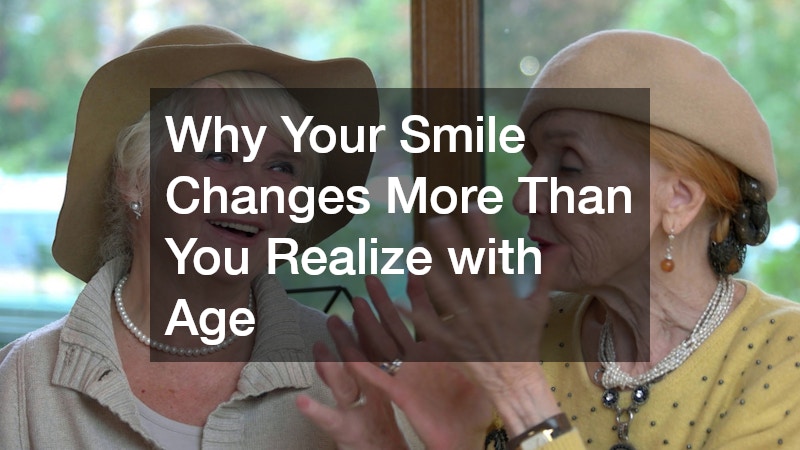


You brush, floss, and show up for cleanings, yet your smile at 40 doesn’t quite match the one you had at 20. This isn’t just in your head or a trick of old photographs. Teeth, gums, and jawbone all shift gradually over the decades due to biology, habits, and wear. Understanding what’s actually happening can help you catch problems early and keep your smile looking and feeling healthy for life.
Enamel Wear and Tooth Color Changes Over Time
Tooth enamel is the hardest substance in the body, but it still wears down with every bite, chew, and grind over a lifetime. As enamel thins, the yellower dentin layer underneath becomes more visible, which is a major reason teeth naturally darken with age. Years of coffee, tea, red wine, and tobacco compound this effect by staining the enamel’s surface and settling into tiny cracks that develop over time.

This process is gradual, so most people don’t notice until they compare a recent photo to one from a decade ago. Diet, oral hygiene habits, and even the water you drank growing up all play a role in how quickly this shift happens.
- Enamel does not regenerate once it wears away, unlike other tissues in the body
- Acidic foods and drinks speed up enamel erosion
- Genetics influence how thick and resistant your enamel is to begin with
- Whitening treatments address surface stains but cannot rebuild lost enamel
Gum Recession and Its Effect on Smile Shape
Gums naturally recede over time, exposing more of the tooth root and changing the proportions of your smile. This happens even in people with excellent oral hygiene, though aggressive brushing, teeth grinding, and gum disease can accelerate the process significantly. As more root surface shows, teeth can look longer and gaps between them may become more noticeable.
Receding gums also increase sensitivity to hot, cold, and sweet foods because the exposed root lacks the protective enamel coating found on the crown of the tooth. Left unaddressed, significant recession can lead to bone loss around the tooth, which affects long-term stability. Regular checkups make it easier to track recession early, before it becomes a bigger structural issue.
Bite Changes and Jaw Alignment Shifts
Many people assume their bite is fixed once they finish orthodontic treatment as a teenager, but the truth is that jaws and teeth continue to shift throughout adulthood. Natural forces from chewing, combined with subtle bone changes, cause teeth to drift slightly over the years. This is why some adults notice their bottom front teeth becoming more crowded decades after having straight teeth as a young adult.
Grinding and clenching, often stress related, can also reshape how the upper and lower teeth meet over time. This misalignment can lead to uneven wear patterns, jaw discomfort, and even headaches if left unmanaged. A shifting bite is one of the more overlooked reasons a smile can look and feel different with age.
Childhood Dental Habits That Shape Adult Smiles
The foundation for how a smile ages is often laid down decades earlier, which is why early dental care matters so much. Pediatric dentists focus not just on treating cavities but on monitoring how baby teeth guide the eruption of permanent teeth and jaw development. Issues like thumb sucking, mouth breathing, or early tooth loss in childhood can influence spacing, bite alignment, and even facial structure well into adulthood.
Establishing good habits early, including proper brushing technique and regular fluoride exposure, gives adult teeth a stronger starting point. Children who receive consistent preventive care tend to have fewer alignment and enamel issues later in life. In many ways, the smile you have at 50 has roots in the dental care you received at age 5.
- Early orthodontic evaluations can catch bite issues before they become severe
- Baby teeth that fall out too early can cause permanent teeth to drift
- Sealants applied in childhood help protect molars for decades
- Habits like nail biting or pacifier use beyond toddler years can affect alignment
Cosmetic and Restorative Options for an Aging Smile
The good news is that many age-related smile changes are manageable or reversible with the right approach. A cosmetic dentist can address discoloration, chips, and minor gaps using treatments ranging from professional whitening to bonding and veneers, tailored to how your smile has changed over the years. These options are typically less invasive than people expect and can be customized to look natural rather than artificial.
Beyond appearance, restorative treatments also address function, since worn or shifted teeth can affect chewing and speech over time. Crowns, bridges, and bite guards are common solutions for teeth that have suffered significant wear or misalignment. Combining cosmetic and restorative approaches often produces the best long-term results, since a smile that looks good should also function well.
- Whitening works best on surface stains rather than deep discoloration
- Bonding can repair small chips quickly and affordably
- Veneers address more significant shape, color, or spacing concerns
- Nightguards help protect teeth from grinding-related wear
Routine Care That Slows Down Smile Aging
While some smile changes are inevitable, consistent professional care can significantly slow the pace of aging teeth and gums. Checkups at least twice a year matter because dentists can catch early detection of enamel wear, gum recession, or bite shifts, making treatment simpler and less costly. Professional cleanings also remove tartar buildup that home brushing simply cannot reach, protecting both gum health and tooth color.
Simple daily habits matter just as much as professional visits when it comes to preserving your smile’s appearance and function. Using a soft-bristled toothbrush, wearing a mouthguard during sports, and limiting acidic or staining foods can all make a measurable difference over the years. Small, consistent choices add up to a smile that ages more gracefully.
Your smile is constantly evolving, shaped by genetics, habits, and time, but that doesn’t mean you’re powerless over how it changes. Paying attention to shifts in color, alignment, and sensitivity gives you the chance to address concerns before they become bigger problems. Scheduling a checkup is a simple next step toward understanding exactly where your smile stands today and what you can do to keep it healthy for years to come.