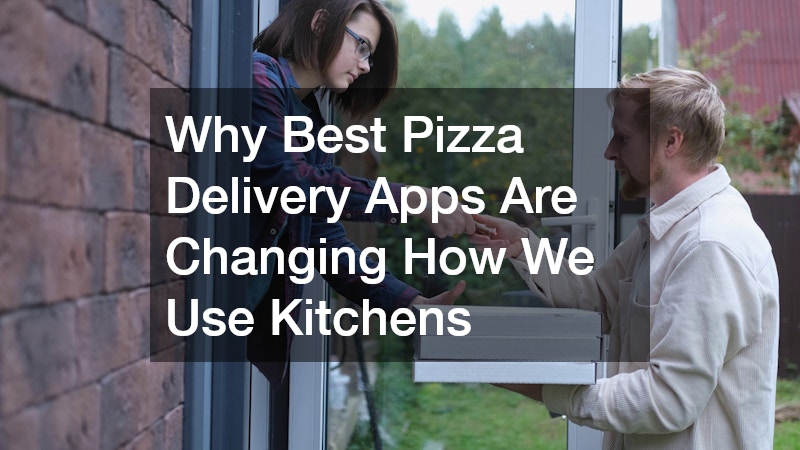


Ordering dinner used to mean flipping through takeout menus or driving to a restaurant, but today a few taps on your phone can bring a hot meal to your door in under an hour. This shift has done more than save time, it has reshaped how often people cook, what they keep stocked in their pantry, and even how kitchens are designed and used. If you are trying to figure out how these apps fit into your routine, or whether they are worth relying on regularly, understanding the bigger picture can help you make smarter choices for your household and your wallet.
The Shift Away From Everyday Home Cooking
Home kitchens were once the default source of nearly every meal, but delivery apps have quietly changed that expectation. Many households now treat the stove as a backup option rather than the primary tool for dinner, reserving actual cooking for weekends or special occasions when there’s time to enjoy the process. On a typical Tuesday, opening an app and choosing from dozens of nearby restaurants feels faster and less mentally taxing than planning a meal, shopping for ingredients, and cleaning up afterward. This shift shows up in small but telling ways.
Grocery runs happen less frequently, pantry staples sit untouched longer, and appliances like slow cookers or stand mixers get used only on occasion rather than weekly. Some families report cooking substantial meals just two or three times a week, filling the rest of the schedule with delivery or takeout. This does not mean people are cooking less because they lack skill, it is often simply more convenient to order in during a busy week. Between work schedules, kids’ activities, and the sheer number of cuisines available at the tap of a screen, ordering in has become the path of least resistance rather than a sign of giving up on home cooking altogether.
The result is a kitchen that gets used differently throughout the day. Refrigerators hold more prepped snacks, condiments, and drinks, while crisper drawers that once stored produce for weeknight meals sit half-empty. Raw ingredients that require real preparation, like whole chickens, dried beans, or fresh vegetables meant for a multi-step recipe, are bought less frequently because they demand a time investment many people no longer build into their evenings.
Small appliances tell a similar story. Slow cookers, stand mixers, and even stovetops go untouched for longer stretches, while microwaves and electric kettles see more consistent use for reheating delivery leftovers or making a quick drink. Some households report using their ovens mainly to reheat food rather than cook it from scratch, which changes wear patterns and even influences what features people look for when replacing appliances. Understanding this shift helps explain why grocery shopping habits and meal planning have also evolved alongside app usage.
Weekly grocery runs are increasingly replaced by smaller, more frequent purchases of snacks, drinks, and breakfast items, since dinner is often outsourced to a delivery app. This has ripple effects on food waste too, as fewer perishable ingredients sit forgotten in the fridge waiting for a meal that never gets cooked.
How Delivery Platforms Curate Local Dining Options
One major reason these apps have taken off is how effectively they organize local dining choices in one place. Instead of searching multiple websites or calling around, users can browse best restaurants in their area sorted by cuisine, rating, or distance, all within a single app. This convenience has made it easier for smaller, independently owned spots to get discovered by new customers who might never have driven past their storefront.
- Filters for dietary needs, price range, and delivery speed
- Photos and reviews that help set expectations before ordering
- Loyalty programs and discounts that reward repeat customers
- Real-time tracking that reduces uncertainty about arrival times
Why Pizza Remains the Test Case for Delivery Innovation
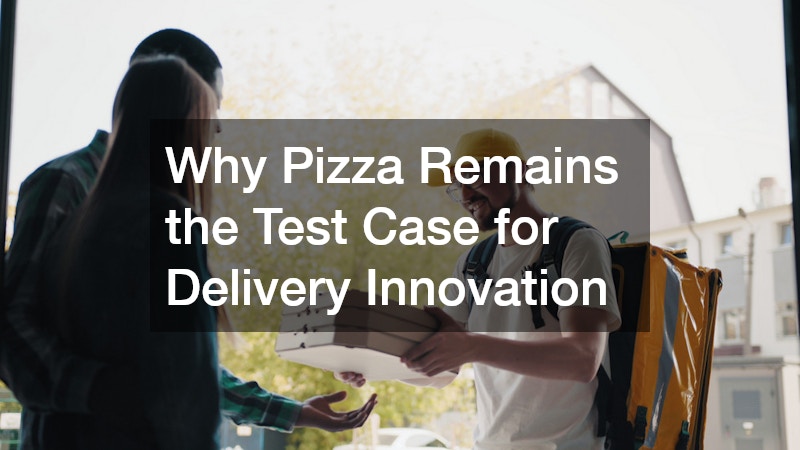
Pizza has always been the natural proving ground for delivery technology because it travels well, reheats decently, and appeals to nearly everyone. Apps have used pizza orders to fine-tune everything from route optimization to packaging design, since a soggy or cold pie is an easy way to lose a customer for good. Many platforms even track how quickly pizza tends to arrive compared to other food types, using that data to improve service across the board.
This is part of why searching for best pizza delivery in a given city often returns highly detailed results, including estimated wait times and driver ratings. The competition among pizzerias to rank well on these apps has pushed many of them to improve packaging, offer better tracking, and rethink menu items specifically for delivery. It is a small but telling example of how technology shapes food far beyond the kitchen itself.
The Rise of Ghost Kitchens and Delivery Only Menus
As demand for delivery grew, a new kind of kitchen emerged that never intended to seat a single customer. Ghost kitchens are built purely to prepare food for delivery apps, often housing multiple brands under one roof to maximize efficiency. This model has lowered the barrier to entry for new food businesses, since owners no longer need to invest in dining rooms, servers, or prime storefront locations.
- Lower overhead costs compared to traditional restaurants
- Ability to test new menu concepts without major financial risk
- Shared kitchen space that reduces equipment and rent expenses
- Faster scaling into new neighborhoods without opening new storefronts
How Home Kitchen Design Is Responding to Delivery Habits
As delivery becomes more central to daily eating habits, kitchen layouts and features are slowly adapting too. Builders and renovators report more requests for compact, efficient kitchens rather than sprawling ones meant for elaborate home cooking, since fewer people need space for large batch meal prep every night. Storage is increasingly designed around takeout containers, reusable bags, and quick reheating rather than bulk grocery storage.
This does not mean full kitchens are disappearing, but their role is changing. Many homeowners still want a functional space for occasional cooking, entertaining, or trying recipes inspired by a favorite italian restaurant, even if weekday meals come from an app. The kitchen is becoming more of a flexible hub that supports both cooking and reheating, rather than a space built exclusively around daily meal preparation from scratch.
Delivery apps have reshaped not just how we eat, but how we think about our kitchens, our time, and our relationship with local food businesses. Whether you rely on them occasionally or several times a week, understanding this shift can help you make more intentional choices about when to cook and when to order in. The next time you open an app to browse dinner options, consider how much this small habit reflects a much larger change in everyday life.