

Every winter, drivers across the country notice the same frustrating pattern: their vehicle costs more to keep running once temperatures drop. Between road salt, frozen components, and weather-related wear, your car is working harder and taking more damage than it does the rest of the year. Understanding exactly where these costs come from can help you budget better and, in many cases, prevent the most expensive repairs before they happen. This guide breaks down the specific winter culprits behind rising vehicle expenses and what you can do about each one.
Cold Weather Puts Extra Strain on Your Battery
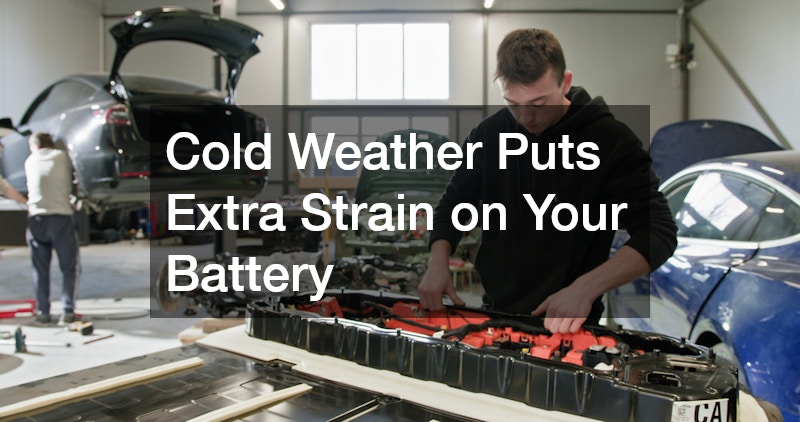
Cold temperatures are one of the most common reasons vehicles fail to start in winter, and the science behind it is simple. Battery chemistry slows down as temperatures drop, which means a battery that tested fine in October can struggle to produce enough power by January. A battery that is already three or four years old is especially vulnerable, since its reserve capacity has already declined from normal aging.
This is why so many drivers end up making unplanned visits to battery stores during the first hard freeze of the season. Getting a battery load test done in early fall, before the rush, can save you from being stranded and paying premium prices for emergency replacement. Many battery stores also offer free testing, so there is little reason to wait until your car refuses to start.
- Batteries lose roughly 30 to 50 percent of their strength in freezing temperatures
- Corrosion on terminals gets worse with road salt exposure
- Older batteries should be tested before the first cold snap, not after
Road Salt and Grime Accelerate Body Damage
Road salt is effective at melting ice, but it is also highly corrosive to the metal underneath your vehicle. Once salt mixes with slush and gets kicked up onto your undercarriage, it clings to frame rails, suspension components, and exhaust systems, where it stays damp for days after a storm has passed. That moisture-salt combination speeds up oxidation far faster than plain water ever would. Over time, this corrosion can eat away at exposed metal, wiring harnesses, and brake lines. Rusted brake lines are a particular concern because they can develop pinhole leaks that compromise stopping power, often without any obvious warning sign until a pedal feels soft. Corroded wiring connectors near the undercarriage can also cause intermittent electrical issues, like faulty sensors or malfunctioning lights, that are frustrating and expensive to diagnose. This is a slow process, but it adds up over several winters if the vehicle is never properly cleaned. Vehicles in colder climates that use heavy road salt, such as the Rust Belt and parts of the Northeast, tend to show frame and undercarriage rust years before similar models driven in warmer regions. Regular undercarriage washes, especially after storms when temperatures rise above freezing and salt is actively dissolving, can significantly slow this deterioration.
Regular washing, particularly underbody rinses, is one of the cheapest ways to protect your investment during winter months. Aim for a rinse every 10 to 14 days when roads are actively salted, and try to pick a day above freezing so slush doesn’t just refreeze in your wheel wells and brake lines. Many touchless car washes advertise an “undercarriage” or “winter” cycle specifically for this purpose, and it’s worth the extra few dollars. Some drivers schedule seasonal visits with an auto detailer who can apply protective coatings and clean hard-to-reach areas that a home wash misses, such as behind bumper covers, inside rocker panels, and around exhaust hangers. A quality sealant or wax applied before winter sets in can add a slick barrier that keeps brine from bonding directly to paint and clear coat. Some detailers also offer undercoating or rust-inhibiting sprays for older vehicles, which can run $100 to $200 but often pay for themselves against a single rust repair. A good detailer will also inspect trim and seals for early signs of salt intrusion, checking door bottoms, wheel arch liners, and the seams around the hood and trunk. White crusty residue or bubbling paint are early warning signs worth photographing and monitoring over time. Catching these issues early is much cheaper to address than after rust has set in, since surface corrosion can often be treated for a fraction of what structural rust repair or panel replacement will cost later.
Potholes and Frozen Pavement Damage Your Alignment
Winter is brutal on road surfaces. Freeze-thaw cycles crack pavement and create potholes that seem to multiply overnight, and hitting even one at speed can knock your wheels out of alignment. Misalignment might not be obvious immediately, but it shows up later as uneven tire wear, pulling to one side, or worse fuel economy.
If you notice your car drifting or your steering wheel sitting off-center after a rough winter drive, it is worth getting checked out promptly. A car alignment shop can usually diagnose the issue in under an hour, and catching it early prevents the kind of accelerated tire wear that costs far more to replace than the alignment itself. Waiting until spring often means driving on damaged tires for months.
- Watch for a steering wheel that is off-center while driving straight
- Uneven tread wear is a common warning sign of misalignment
- Ignoring alignment issues shortens tire life significantly
Snow and Ice Force More Frequent Repairs
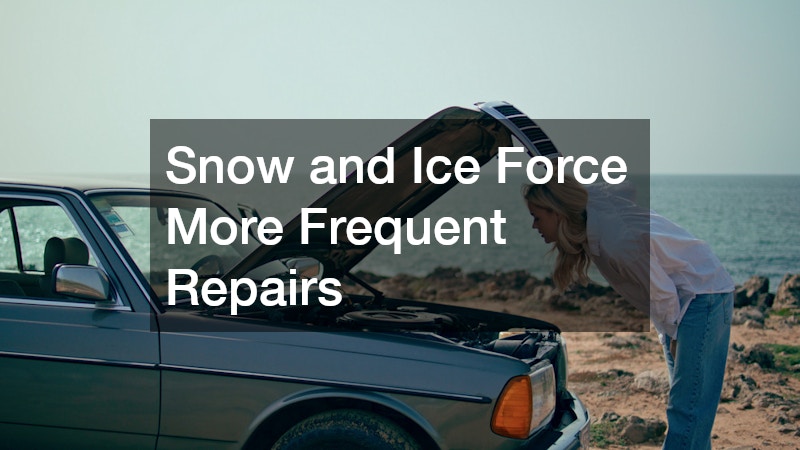
Snow, ice, and cold together create conditions that push a lot of vehicle systems past their limits. Rubber belts and hoses lose flexibility as temperatures drop, and anything already worn is far more likely to crack or snap on a frigid morning. Meanwhile, oil thickens in the cold, forcing the engine to work harder to circulate it during startup, which increases wear on internal components right when the car is least warmed up. Batteries take a hit too — cold temperatures can reduce a battery’s cranking power by 30-50%, which is why dead batteries are so common in January and February. This often leads to more frequent jump-starts, replacements, and related alternator strain as drivers push aging batteries past their limits. Suspension components also take a beating from constant exposure to slush, freezing water, and rough winter roads. Potholes multiply when pavement repeatedly freezes and thaws, and hitting one at speed can damage struts, shocks, or alignment. Road salt compounds the problem by accelerating rust on brake lines, exhaust systems, and undercarriage parts, turning small issues into costly repairs faster than in milder seasons.
This combination is why general vehicle repair volume climbs noticeably at shops every winter. Common issues include frozen door locks, failing wiper motors, cracked windshields from temperature swings, and clogged washer fluid lines, none of which are hugely expensive individually but which add up quickly when several happen in the same season. Battery trouble is another frequent culprit, since cold temperatures reduce a battery’s cranking power just as thicker, cold engine oil demands more effort to start the car. A battery that tested fine in September can fail outright once temperatures drop below freezing, leading to an unplanned tow or roadside jump-start fee on top of the replacement cost. Salt and road brine used for de-icing also accelerate corrosion on brake lines, exhaust components, and undercarriage parts, which can turn a minor rust spot into a costly repair a year or two down the road. Tire pressure loss in cold weather adds further strain, since underinflated tires wear unevenly and reduce fuel efficiency. Staying ahead of small maintenance items in the fall, like fresh wiper blades, a battery load test, and a full fluid check, reduces the odds of multiple repairs hitting your wallet at once. A quick undercarriage rinse every few weeks through winter can also help limit salt-related corrosion before it becomes a bigger, more expensive problem.
Storm Damage Requires Paintless Dent Repair
Hailstorms, falling ice, and debris kicked up by plows are all common causes of small dents and dings during winter. These dents rarely affect how the car drives, but they do affect resale value and can lead to rust if the paint surface is cracked. Many drivers are surprised to learn that these kinds of dents can often be fixed without a full repaint.
This is where pdr becomes a cost-effective option. Paintless dent repair uses specialized tools to gently reshape the metal from behind the panel, preserving the factory finish and avoiding the higher cost of traditional bodywork. It typically works best on dents that have not cracked the paint, so getting an assessment soon after the damage happens gives you the best odds of a full, affordable fix.
Truck Owners Face Added Costs From Winter Driving Needs

Truck owners often take on additional winter-specific expenses that sedan owners never have to think about. Getting through deep snow or unplowed lots sometimes requires more ground clearance, which is why interest in lift kits tends to rise heading into winter. A lifted truck can clear deeper snow and rougher terrain, but it also changes handling characteristics and may require additional alignment work afterward.
For property owners who need to clear their own driveways or lots, equipping a truck with snow plows is another significant seasonal investment. Plow attachments add stress to the front suspension, transmission, and frame, so vehicles used this way need more frequent fluid changes and undercarriage inspections. Anyone considering this route should factor in the added wear when budgeting for winter vehicle costs, not just the upfront price of the equipment.
- Lifted trucks may need realignment after new suspension work is completed
- Plow-equipped vehicles should have transmission fluid checked more often
- Extra ground clearance helps in snow but changes braking distance and handling
Rust Prevention Depends on Protective Coatings
Once salt and moisture get into exposed metal, rust can spread fast, particularly in wheel wells, along rocker panels, and inside truck beds where scraping ice or hauling equipment causes chips in factory paint. Prevention is far cheaper than repair once rust has taken hold, which is why many owners look into protective coatings before winter arrives rather than after damage appears.
A spray on bedliner is one of the most popular solutions for truck owners specifically, since it protects the bed from both impact damage and moisture intrusion in one application. Beyond bedliners, undercoating treatments applied to the frame and wheel wells offer similar protection for the rest of the vehicle. Both are relatively inexpensive compared to the bodywork needed to fix rust once it spreads.
Motorcycle Owners Have Unique Off-Season Costs

Riders often assume winter costs do not apply to them since most motorcycles are stored rather than ridden, but the off-season actually creates its own set of expenses. Battery tenders, fuel stabilizers, and proper storage all cost money, and skipping them often leads to bigger repair bills come spring when a neglected bike will not start. Tires can also develop flat spots if a motorcycle sits on the same section of rubber for months without being moved.
Winter is also when many riders plan upgrades for the following season, which is why motorcycle customization shops see a steady stream of business during the colder months. Waiting until spring means competing with everyone else for shop time right when riding season begins, so tackling upgrades or repairs in winter often means shorter wait times and better scheduling. It is also a good season to source parts, since demand and pricing tend to be lower than in peak riding months.
Off-Road and All-Terrain Vehicles Need Seasonal Attention
Snowmobiles, ATVs, and side-by-sides see heavier use in winter in many regions, which means more wear on belts, skis, and suspension components than during warmer months. Cold starts are harder on these engines too, and riders who skip warm-up routines often end up with premature engine wear. Routine inspection before heavy use prevents most of the expensive failures that show up mid-season.
For owners of these vehicles, can am dealers are a useful resource beyond just sales, since many offer seasonal service packages and genuine parts suited to winter riding conditions. Getting a pre-season inspection through a dealer rather than waiting for a breakdown can catch worn belts or suspension issues while they are still inexpensive to fix. This is especially important for anyone who relies on these vehicles for work tasks like trail grooming or property access during snowy months.
Winter vehicle expenses rarely come from one single cause, they build up from a combination of cold weather stress, road conditions, and the extra demands placed on trucks, motorcycles, and off-road vehicles alike. The good news is that most of these costs are predictable, which means a little preventative attention in the fall can meaningfully reduce what you spend once the temperature drops. Start with the basics, a battery test, an alignment check, and a good wash to remove road grime, then address any vehicle-specific needs based on how you actually use your car, truck, or bike. Taking these steps now puts you in control of your winter vehicle budget instead of reacting to surprises later.