


Highlights:
-
Prioritize electrical safety before cosmetic changes: Upgrading behind-the-wall wiring and panels early prevents hazardous fire risks, overloaded circuits, and costly reconstruction later on.
-
Modern power demands require higher capacity: Older 60-amp or 100-amp panels are insufficient for contemporary living; upgrading to at least a 200-amp service ensures your system can support high-draw features like electric vehicles, induction cooktops, and modern HVAC units.
-
Customize wiring layout room by room: Strategic placement of dedicated high-capacity circuits, counter-level receptacles, and hidden media connections ensures convenience and safety tailored to how each space is used.
-
Invest in advanced protective hardware: Installing arc-fault interrupters, ground-fault protection, and whole-building surge defense guards sensitive microprocessors and shields your property against unexpected electrical spikes.
-
Incorporate smart and scalable tech: Pre-wiring Ethernet cables, installing smart switches, and leaving vacant panel capacity allows your home to easily integrate future technology upgrades.
-
Adhere strictly to local safety codes and permits: Securing formal permits, passing official rough-in and final inspections, and keeping thorough documentation protects your property value and insurance coverage.
-
Hire qualified professionals for heavy installation: While prep work can be done independently, partnering with a certified, insured contractor guarantees that high-voltage work meets strict safety regulations.
When tackling a major house transformation, it is easy to get caught up in picking out floor tiles, custom cabinetry, paint swatches, and lighting fixtures. However, behind every stylish light switch and modern appliance sits a complex network of wires, breakers, and outlets that keep your home running smoothly. Electrical systems are the unsung heroes of modern residential comfort. If you are upgrading an older property or redesigning a floor plan, electrical infrastructure should sit at the top of your priority list.
Houses built several decades ago were simply not designed to handle the power demands of 21st-century living. Between high-definition televisions, multi-zone heating and cooling systems, electric vehicle chargers, smart home hubs, and high-wattage kitchen appliances, our electrical needs have skyrocketed. Running modern lifestyle demands on outdated wiring is not just inconvenient—it can lead to tripped breakers, damaged electronics, and serious fire hazards.
Taking the time to strategically plan your electrical updates gives you a rare opportunity to future-proof your space, improve energy efficiency, boost overall home safety, and ensure every room has adequate power right where you need it.
Signs Your Electrical System Needs an Upgrade
Before diving into new designs and floor plans, you need to understand the current health of your electrical infrastructure. Many older homes contain legacy wiring systems that do not meet modern safety codes. Identifying existing red flags early prevents costly surprises once construction begins.
Here are the most common signs that your electrical system requires a comprehensive overhaul:
-
Frequent breaker trips or blown fuses: If plugging in a hair dryer while running the microwave shuts down power to half the floor, your circuits are severely overloaded.
-
Flickering or dimming lights: Lights that dim when major appliances kick on usually point to a system struggling to draw sufficient power.
-
Two-prong ungrounded outlets: Standard two-prong outlets lack a ground wire, leaving sensitive electronics vulnerable to power surges and creating a potential shock hazard.
-
Warm, discolored, or buzzing outlets: Any electrical fixture that feels hot to the touch, shows black or brown scorching, or makes a faint buzzing noise poses an immediate safety risk and requires prompt replacement.
-
Use of extension cords as permanent wiring: Relying heavily on power strips and extension cords signals that your home lacks sufficient wall outlets for your baseline needs.
-
Outdated wiring materials: Systems using knob-and-tube wiring (common before the 1940s) or aluminum wiring (popular in the 1960s and 1970s) are notorious fire risks and are often uninsurable by modern carriers.
-
An original fuse box or low-amperage panel: If your main electrical panel relies on screw-in fuses or offers less than 100 amps of total service, it cannot safely support modern living.
Addressing these foundational issues first guarantees that any cosmetic renovations you complete are backed by a stable, secure electrical baseline.
Calculating Your Home’s Modern Power Demands
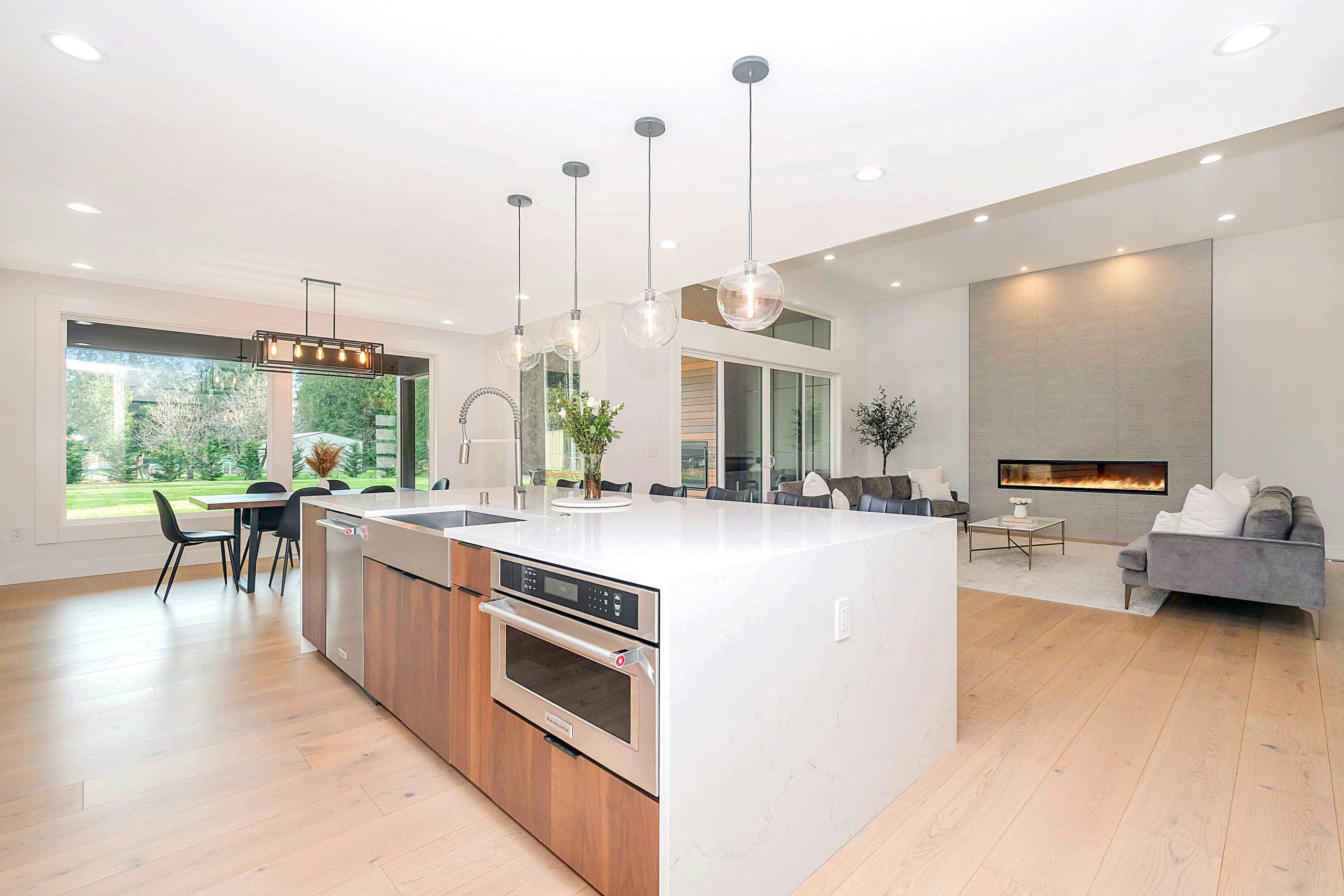
Once you have identified the weak points in your existing system, the next step is calculating your overall electrical capacity. Electrical capacity is measured in amperes (amps). The total amperage of your main panel determines how much power your entire household can draw simultaneously.
Older homes frequently operate on 60-amp or 100-amp electrical panels. While 100 amps was plenty for a household in 1970, it falls short for contemporary families. Today, 200-amp service has become the minimum standard for modern single-family home renovations, while larger homes with electrical heating, heated pools, or multiple electric vehicle chargers may require 300-amp or 400-amp service.
To determine whether a panel upgrade is necessary, inventory your high-draw devices and consider future additions:
-
Electric vehicle charging stations: A Level 2 EV charger typically requires a dedicated 40-amp to 50-amp 240-volt circuit.
-
Heat pumps and central air conditioning: Electric HVAC units draw significant power, particularly during startup cycles.
-
Induction cooktops and double wall ovens: Converting from gas to electric appliances dramatically increases kitchen circuit demands.
-
Tankless electric water heaters: These units draw massive surges of power, often requiring two to four dedicated 40-amp circuits on their own.
-
Hot tubs and saunas: Outdoor luxury amenities demand heavy 240-volt circuits with specialized safety breakers.
-
Home workshops: High-draw power tools like table saws, compressors, and welders require dedicated circuits to prevent lights from dipping across the house.
If your total load calculations approach or exceed your existing service size, scheduling a main panel upgrade should be one of the first tasks on your timeline.
Room-by-Room Wiring Strategy
Every room in your home serves a different function, which means electrical needs vary widely from space to space. If you are planning a full home renovation, opening up walls provides the perfect, cost-effective opportunity to overhaul your electrical infrastructure before drywall goes back up. Walking through your floor plan room by room helps you position outlets, switches, and lighting fixtures logically.
Kitchens and Dining Areas
Kitchens draw more power than almost any other area in the home. Modern electrical codes mandate multiple dedicated circuits in kitchens to prevent overloads from high-wattage counter appliances.
-
Install dedicated 20-amp circuits for countertop outlets to run coffee makers, blenders, and air fryers concurrently.
-
Plan dedicated individual circuits for major appliances including the refrigerator, dishwasher, garbage disposal, microwave, and range.
-
Position outlets every four feet along counter surfaces so appliance cords never have to stretch across sinks or prep areas.
-
Add under-cabinet task lighting and interior cabinet accent lighting to improve visibility and aesthetics.
Living Rooms and Entertainment Hubs
Living spaces require flexible power options that accommodate changing furniture arrangements, media centers, and smart entertainment systems.
-
Place outlets on every continuous wall segment wider than two feet to avoid running cords across doorways or walkways.
-
Install recessed TV wiring kits behind wall-mounted screens to hide power cables and HDMI wires inside the wall.
-
Include floor outlets in large, open-concept living rooms so lamp cords do not create tripping hazards near floating sofas.
-
Integrate smart dimmer switches to control ambient, accent, and task lighting zones effortlessly.
Bedrooms and Home Offices
Bedrooms and home offices need plenty of accessible power for charging personal devices, running computers, and powering workstations.
-
Install USB-A and USB-C integrated wall outlets directly beside nightstands and desks for convenient device charging.
-
Plan for dedicated circuits in home offices to protect sensitive computer hardware, external drives, and networking equipment from power dips.
-
Include switch-controlled outlets or overhead fixtures near entryways so you do not have to walk across a dark room to turn on a lamp.
-
Position extra outlets near closets or vanity spaces for hair styling tools, iron stations, or vacuum cleaners.
Bathrooms and Laundry Rooms
Moisture-heavy environments require specialized electrical safety precautions to reduce the risk of shocks and short circuits.
-
Install Ground Fault Circuit Interrupter (GFCI) outlets on all bathroom receptacles and near laundry sinks.
-
Place dedicated 20-amp circuits in bathrooms to handle high-wattage heat lamps, blow dryers, and curling irons without tripping breakers.
-
Plan dedicated 240-volt circuits for electric clothes dryers alongside dedicated 120-volt circuits for washing machines.
-
Add quiet, high-efficiency exhaust fans wired to timer switches or humidity sensors to protect against mold buildup.
Garages and Outdoor Spaces
Garages and exterior walls are often overlooked during electrical planning, yet they host some of the heaviest electrical demands.
-
Install GFCI-protected weather-resistant outlets along exterior walls, patios, and decks for seasonal lighting and outdoor tools.
-
Pre-wire for electric vehicle chargers in the garage, even if you do not currently own an electric car, as doing so adds strong resale value.
-
Mount bright overhead LED shop lights on dedicated switches to ensure complete visibility across workbenches and parking areas.
-
Add exterior motion-sensor floodlights and low-voltage landscape lighting circuits around entry points for security and evening curb appeal.
Key Electrical Upgrades for Modern Comfort and Safety
Upgrading your home’s electrical system involves far more than just stringing new copper wire through studs. Incorporating modern electrical components enhances daily convenience while protecting your family and property against potential hazards.
Arc-Fault and Ground-Fault Protection
Modern building codes require comprehensive circuit protection to prevent electrical fires and accidental electrocution.
-
Arc-Fault Circuit Interrupters (AFCI): AFCI breakers detect unintended electrical arcs—sparking caused by damaged wire insulation, pinched cords, or loose connections—and shut off power before a fire can ignite. They are required in almost all residential living areas.
-
Ground-Fault Circuit Interrupters (GFCI): GFCI outlets or breakers monitor current balance and instantly cut power if electricity strays from its intended path into water or a person. They are essential in kitchens, bathrooms, garages, basements, and outdoor locations.
Whole-Home Surge Protection
Plug-in surge protector strips offer basic protection for television setups, but they cannot shield major household systems from powerful voltage spikes. Lightning strikes, grid transfers, and internal power surges caused by large appliances cycling on can fry sensitive microprocessors inside smart fridges, HVAC units, and computers. A whole-home surge protector mounts directly inside your main breaker panel, diverting excess voltage harmlessly into the ground before it reaches your living spaces.
Smart Home Infrastructure
Incorporating smart technology directly into your electrical plan makes home management seamless.
-
Smart Light Switches: Replacing standard toggle switches with smart dimmers lets you control lighting via smartphone apps, voice assistants, or automated schedules without needing expensive smart bulbs in every fixture.
-
Smart Breaker Panels: Upgraded electrical panels now feature built-in Wi-Fi monitoring that tracks real-time energy usage per circuit, alerts you to unusual power draws, and allows you to prioritize essential circuits during power outages if running on battery backup or a generator.
-
Structured Low-Voltage Wiring: While Wi-Fi handles mobile devices well, hardwired Cat6 Ethernet cabling delivered to home offices, gaming setups, and media centers provides stable, high-speed internet connections free from wireless interference.
Navigating Permits, Codes, and Regulations
Electrical work is strictly regulated across almost all municipalities for a simple reason: improper wiring is one of the leading causes of residential building fires. Skipping formal processes to save time or money can lead to dangerous installations, steep fines, and major problems when selling your property down the road.
Before starting any major wiring project, review these essential regulatory steps:
-
Research local building codes: Local jurisdictions adapt model standards like the National Electrical Code (NEC) to suit regional conditions. These codes dictate outlet spacing, circuit capacity, wire gauge sizes, and safety breaker requirements.
-
Pull necessary permits: Minor tasks like swapping out an existing light switch usually do not require permits, but adding new circuits, relocating electrical panels, or rewiring whole rooms almost always requires a formal permit from your local building department.
-
Schedule required inspections: Permitted electrical work typically undergoes two formal inspections: a “rough-in” inspection after wires and boxes are mounted but before walls are closed up with drywall, and a “final” inspection once all outlets, switches, light fixtures, and breakers are installed and fully operational.
-
Maintain complete documentation: Keep copies of all approved permits, inspection sign-offs, and detailed wiring diagrams with your home records. Future buyers and insurance companies often request proof that major renovations met local building standards.
Estimating Costs and Managing Your Budget

Rewiring a home or installing major electrical upgrades represents a significant financial investment. Knowing what drives project costs helps you allocate funds effectively and avoid unexpected budget overruns.
Major cost factors include:
-
Home size and accessibility: Larger homes require more wire, outlets, and labor. Open walls during down-to-the-studs renovations make wiring installation significantly faster and cheaper compared to fishing wires through finished drywall.
-
Main panel upgrades: Replacing an old 100-amp panel with a modern 200-amp service panel generally costs between $1,500 and $4,000 depending on utility connection requirements and local labor rates.
-
Labor costs: Licensed electricians command professional rates reflective of their intensive training and liability coverage. Labor typically accounts for more than half of your total electrical budget.
-
Material quality: Specialty outlets (like USB-C or GFCI/AFCI combination receptacles), architectural light fixtures, smart switches, and heavy-gauge copper wire cost more upfront than basic contractor-grade supplies.
To keep your electrical budget on track without sacrificing safety or quality, consider these practical strategies:
-
Bundle your projects: Having an electrician address panel upgrades, EV charger installs, and room rewiring in a single visit reduces overall service fees compared to breaking tasks into separate service calls.
-
Plan for future expansions: Run extra conduit or install a panel with vacant breaker slots during your current renovation. Adding spare capacity now costs very little compared to upgrading a maxed-out panel again later.
-
Do cosmetic prep work yourself: While you should leave actual wiring to licensed professionals, home owners can cut costs by removing old fixtures, clearing work spaces, or patching drywall after inspections are complete.
Choosing the Right Licensed Electrician
While enthusiastic homeowners can successfully tackle simple DIY projects like painting walls or installing laminate flooring, major electrical wiring is not a place for trial-and-error learning. Working with high-voltage electricity requires specialized tools, deep knowledge of physics and safety protocols, and a clear understanding of local codes.
When vetting electrical contractors for your renovation, take time to evaluate their credentials thoroughly:
-
Verify active licensing and insurance: Confirm that the electrician holds a valid state or local master/journeyman license and carries sufficient general liability and workers’ compensation insurance to protect your home in case of an accident.
-
Ask for detailed written estimates: Request itemized quotes breaking down labor, materials, permit fees, and timeline projections so you can make direct apples-to-apples comparisons across bids.
-
Check references and reviews: Look for established local contractors with strong reputations, verified customer reviews, and clear examples of completed residential renovation projects.
-
Evaluate communication and professional rapport: Choose an electrician who listens to your lifestyle needs, answers questions clearly, explains technical options simply, and offers thoughtful suggestions for optimizing your lighting layout and circuit design.
A good electrician serves as a true partner throughout your project, making sure your vision comes to life safely, efficiently, and on schedule.
Closing Thoughts
Planning a home wiring update may not offer the immediate visual satisfaction of choosing granite countertops or sleek hardwood flooring, but it provides the essential foundation that makes modern living safe, comfortable, and efficient. By assessing your existing electrical infrastructure, calculating current and future power demands, incorporating smart features, and working alongside licensed professionals, you can transform your house into an adaptable home ready to handle whatever technology comes next. Investing in high-quality wiring today grants you lasting peace of mind, improved energy efficiency, and enhanced home value for decades to come.