


Owning a home is one of the biggest financial commitments most people ever make, yet it is easy to focus on mortgage payments while overlooking the everyday upkeep that protects that investment. Small issues left unaddressed, like a minor roof leak or a crack in the foundation, can quietly grow into expensive repairs that drain savings and lower resale value. The good news is that a consistent preventive maintenance routine can catch problems early, extend the life of your home’s major systems, and give you peace of mind.
This guide walks through the key areas of your property that deserve regular attention and explains how to approach each one wisely.
Why Your Roof Deserves Regular Attention
Your roof is your home’s first line of defense against weather, and neglecting it can lead to leaks, mold, and structural damage that spread far beyond the attic. Most roofing materials are designed to last decades, but only if minor issues like cracked flashing or missing shingles are repaired promptly. Waiting until water stains appear on your ceiling usually means the damage has already reached the interior of your home, which is far costlier to fix than the roof itself.
Scheduling a professional evaluation once or twice a year, especially after major storms, is one of the smartest moves a homeowner can make. Many local roofing contractors offer inspection packages that identify wear before it becomes a leak, often at a fraction of the cost of emergency repairs. Keeping a written record of past inspections and repairs also helps when it is time to sell your home, since buyers appreciate documented maintenance history.
- Check for curling, cracked, or missing shingles after heavy wind
- Clear debris from gutters to prevent water backup under the roofline
- Look for daylight or water stains in the attic
- Trim overhanging branches that scrape against roofing material
Keeping Water Out of Your Foundation and Basement
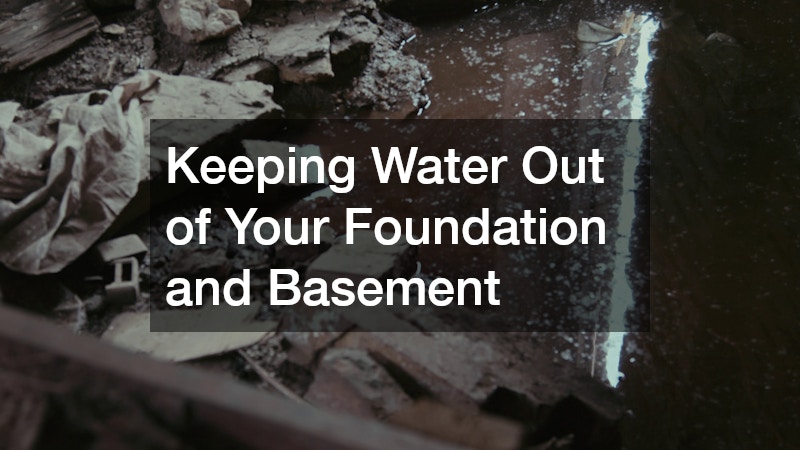
Water intrusion is one of the most damaging and least visible threats to a home’s structure. A basement that smells musty or shows small cracks in the walls is often signaling a moisture problem that will worsen with time if ignored. Left unchecked, this moisture can compromise the foundation, ruin stored belongings, and create the damp conditions that mold and mildew thrive in.
A basement waterproofing service can assess drainage patterns around your home and install solutions such as sump pumps, interior drain systems, or exterior sealants tailored to your soil type and climate. Addressing the issue proactively is almost always less expensive than repairing a fully flooded basement or a foundation that has shifted from prolonged water exposure. Homeowners in areas with heavy rainfall or clay-heavy soil should be especially vigilant about seasonal changes in moisture levels.
- Watch for efflorescence, a white chalky residue on basement walls
- Ensure downspouts direct water at least five feet away from the foundation
- Check grading around your home to confirm it slopes away from the structure
- Monitor humidity levels with an inexpensive gauge
Maintaining Outdoor Living Spaces and Water Features
Outdoor amenities like pools, patios, and decks add real value to a property, but they also require consistent upkeep to stay safe and functional. A neglected pool can quickly develop algae growth, cracked tile, or equipment failure that turns a relaxing feature into a costly liability. Regular attention to water chemistry, filtration, and surrounding structures keeps these spaces enjoyable and prevents small issues from becoming major renovations.
Working with a qualified pool contractor for seasonal opening, closing, and equipment checks helps extend the lifespan of pumps, heaters, and liners. This is particularly important before extreme weather seasons, when temperature swings can stress plumbing and mechanical components. A well-maintained pool area not only protects your investment but also reduces the risk of accidents caused by slippery surfaces or faulty equipment.
- Test water chemistry weekly during peak swimming season
- Inspect pool decking for cracks or uneven surfaces
- Clean filters and skimmers regularly to maintain circulation
- Schedule professional equipment checks before and after winter
Managing Trees, Land, and Outdoor Growth

The land surrounding your home plays a bigger role in property protection than many owners realize. Overgrown vegetation, dead trees, and unmanaged brush can create fire hazards, attract pests, and even damage structures if roots grow too close to foundations or underground pipes. Regularly clearing and maintaining your land helps preserve both the safety and the curb appeal of your property.
For larger properties or those preparing for construction, land clearing companies can safely remove unwanted vegetation, stumps, and debris while preserving the trees and landscaping features you want to keep. Meanwhile, tree trimming companies play an equally important role in ongoing maintenance by removing weak or overhanging limbs before they fall during storms. Together, these services reduce the risk of property damage and keep your outdoor space looking intentional rather than neglected.
- Remove dead or diseased trees before storm season
- Clear brush at least ten feet from structures to reduce fire risk
- Trim branches away from rooflines and power lines
- Inspect large trees annually for signs of disease or instability
The Value of a Professional Home Evaluation
Even the most attentive homeowner can miss issues that require a trained eye. Problems like electrical wiring faults, hidden water damage, or aging HVAC systems are often invisible until they cause a major failure. A licensed inspector, for example, can spot outdated aluminum wiring, a foundation crack widening beneath fresh paint, or a water heater nearing the end of its typical 10-12 year lifespan.
A thorough evaluation gives you a clear picture of your home’s overall condition, often summarized in a detailed report with photos and repair cost estimates. This documentation helps you prioritize which repairs need immediate attention—like a failing roof or faulty breaker panel—versus which can be budgeted for later, such as cosmetic siding wear or an aging but functional furnace. Many homeowners schedule these evaluations every one to two years, treating them as a checkup that pays for itself many times over in avoided emergency repairs.
Reputable home inspection services examine everything from the roof and attic insulation to the foundation, plumbing, electrical systems, and HVAC equipment, documenting their findings with detailed reports and photos. Many inspectors also use tools like moisture meters and thermal imaging cameras to catch hidden leaks or insulation gaps that aren’t visible to the naked eye. A typical inspection costs between $300 and $500, a small price compared to the thousands it can save by catching problems early.
This kind of evaluation is valuable not only before buying or selling a property but also periodically throughout ownership, since it creates a baseline for tracking changes over time. Comparing reports from year to year can reveal slow-developing issues, such as a foundation crack that’s widening or a roof that’s losing its watertight seal.
Many homeowners schedule an inspection every three to five years simply to stay ahead of costly surprises. For older homes or properties in harsh climates, some experts recommend even more frequent check-ups, since extreme weather and aging materials can accelerate wear in ways that aren’t always obvious from a casual walk-through.
- Request a full written report with photos for your records, including a summary page that flags urgent versus minor issues
- Ask about the inspector’s experience with homes similar to yours, such as age, construction type, or foundation style
- Confirm the inspector is licensed or certified, and check for membership in a recognized professional association
- Use the findings to create a prioritized repair and maintenance plan, tackling safety and structural items first
- Set a rough budget and timeline for each item, spreading costs over months if needed
- Consider a follow-up inspection every three to five years, or sooner if you notice new cracks, leaks, or drainage problems
- Keep past reports on file to track recurring issues and show buyers a documented maintenance history
Energy Efficiency Starts With Proper Insulation
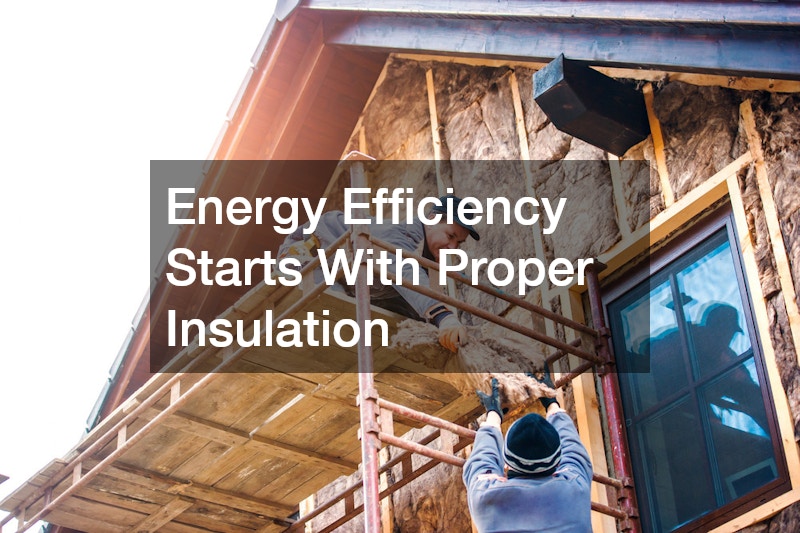
Many homeowners focus on visible upgrades while ignoring the insulation hidden behind their walls and in their attics, yet this component has a direct impact on comfort and monthly utility bills. Poor insulation allows conditioned air to escape, forcing heating and cooling systems to work harder and wear out faster. Over time, this added strain shortens the lifespan of expensive equipment and increases long-term costs.
Bringing in experienced insulation contractors to evaluate your attic, walls, and crawl spaces can reveal gaps that are easy to overlook, such as compressed insulation or areas damaged by pests or moisture. Upgrading to appropriate materials and R-values for your climate often pays for itself through reduced energy bills within a few years. This is one of the more overlooked forms of preventive maintenance, but it protects both your comfort and your wallet.
- Check attic insulation depth against recommended levels for your region
- Look for drafts around outlets, windows, and doors
- Seal air leaks before adding new insulation
- Consider a professional energy audit for a full picture
Fencing and Boundary Upkeep
A fence does more than mark property lines; it provides security, privacy, and safety for children and pets, which makes its condition worth monitoring closely. Wood fences can rot or warp with prolonged moisture exposure, while metal fencing may rust or loosen at the posts over time. Regular inspection helps you catch these issues before the fence becomes a safety hazard or an eyesore that affects curb appeal.
When repairs go beyond a simple fix, reaching out to local fence companies for a professional assessment can help determine whether a section needs replacing or the entire structure requires an upgrade. Choosing durable materials suited to your climate from the start can significantly reduce how often maintenance is needed. A well-maintained fence line also plays a supporting role in keeping unwanted wildlife and pests away from your yard.
- Check posts for stability, especially after freeze-thaw cycles
- Look for rot, splintering, or rust at ground level
- Repaint or reseal wood fencing every few years
- Confirm gates latch securely for safety
Keeping Pests From Undermining Your Home
Pests are one of the most damaging yet preventable threats to a home’s structure and value. Termites, rodents, and other invaders can chew through wood framing, insulation, and wiring long before a homeowner notices any visible signs. By the time damage is obvious, repair costs can be substantial, particularly if structural wood has been compromised.
Partnering with a residential pest control company for routine inspections and treatments is a proactive way to catch infestations early, rather than reacting after the damage is done. Many providers offer seasonal treatment plans that address the specific pests common to your region and climate. Consistent pest management also protects the health of your household by reducing exposure to allergens and disease carried by common household pests.
- Schedule inspections at least once a year, more often in humid climates
- Seal cracks and gaps around the foundation and utility entry points
- Store firewood away from the home’s exterior
- Watch for discarded wings, droppings, or hollow-sounding wood
Protecting the Floors That Take Daily Wear
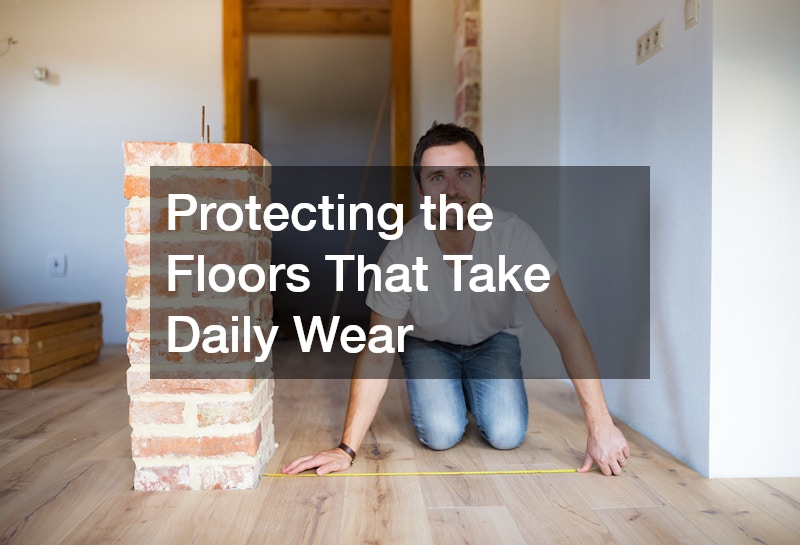
Flooring endures more daily stress than almost any other part of a home, from foot traffic to spills to shifting furniture, yet it often gets attention only when it looks visibly worn. Different materials require different care routines, and using the wrong cleaning products or neglecting minor repairs can shorten the lifespan of otherwise durable flooring. Addressing small issues like loose boards, minor water damage, or worn grout early prevents the need for a full replacement down the road.
Consulting local flooring companies for maintenance advice specific to your material, whether hardwood, tile, laminate, or carpet, can help you avoid common mistakes that void warranties or cause premature wear. They can also advise on refinishing timelines, which vary widely depending on the type of flooring and how much foot traffic it receives. Taking care of your floors not only preserves their appearance but also protects the subfloor underneath from moisture and structural damage.
- Use furniture pads to prevent scratches on hard flooring
- Address water spills immediately to prevent warping or staining
- Refinish hardwood floors before the finish wears through completely
- Vacuum and clean carpets regularly to prevent fiber breakdown
Final Thoughts
Preventive home maintenance is not about chasing perfection; it is about staying ahead of small problems so they never become expensive emergencies. By paying attention to your roof, foundation, outdoor spaces, land, insulation, fencing, pest activity, and flooring, you protect both your daily comfort and your long-term investment. Start by walking through your property with a critical eye, noting any areas that match the warning signs discussed above. From there, reach out to the appropriate professionals to address concerns before they escalate, and consider building a simple annual maintenance calendar to keep every part of your home in good condition for years to come.