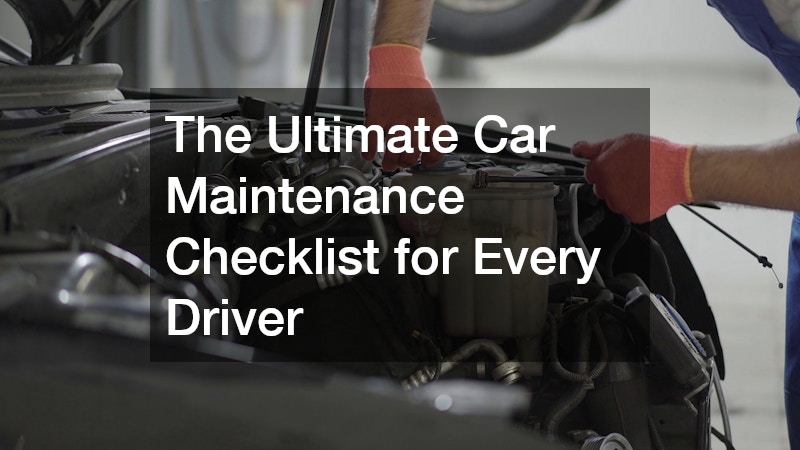

Owning a vehicle offers a sense of freedom that is hard to replicate. It is the ability to go anywhere, at any time, without relying on schedules or tickets. However, that freedom comes with a significant responsibility. For many, a vehicle is the second most expensive purchase they will ever make, yet it is often the most neglected asset until a warning light flashes on the dashboard. The anxiety of a breakdown—being stranded on the side of a highway or facing a repair bill that wipes out a savings account—is a feeling every driver wants to avoid.
The difference between a car that lasts for 200,000 miles and one that struggles to reach 100,000 often comes down to a simple, consistent routine. Maintenance is not just about fixing things when they break; it is about preventative care that preserves the machine’s integrity, safety, and value. When you ignore small signs of wear, they rarely resolve themselves. Instead, they compound into catastrophic failures that are stressful and expensive to rectify.
This guide is designed to move you away from reactive driving and toward proactive ownership. By understanding the critical systems of your vehicle—from the fluids coursing through the engine to the rubber meeting the road—you can catch issues early. This checklist covers the mechanical, safety, and cosmetic aspects of vehicle ownership. It is meant to be a resource you can return to again and again, ensuring your vehicle remains reliable, safe, and enjoyable to drive for years to come.
Maximize Engine Lifespan with Fluids and Routine Checks
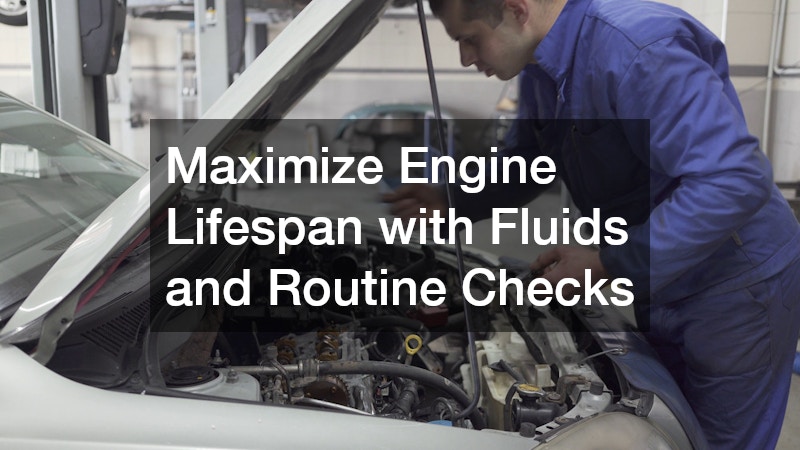
The engine is the heart of your vehicle, a complex assembly of moving metal parts operating under high heat and pressure. The only thing preventing these parts from grinding themselves into oblivion is a thin layer of lubrication. While most drivers know they need an oil change, understanding the nuances of your engine’s fluids can significantly extend its life.
Oil is responsible for lubricating, cooling, and cleaning the internal components of your engine. Over time, heat breaks down the oil’s viscosity, making it less effective at protecting delicate parts. Furthermore, the oil filter can only trap so much debris before it enters bypass mode, allowing dirty oil to circulate. You should verify your oil level monthly. Park on level ground, wait for the engine to cool slightly, and check the dipstick. If the oil is dark and gritty, it is time for a change, regardless of the mileage interval.
Beyond oil, you must pay close attention to your coolant and transmission fluid. Coolant prevents your engine from overheating in summer and freezing in winter, but it can become acidic over time, eating away at gaskets and seals. Transmission fluid is equally vital; it acts as a hydraulic fluid that shifts gears. If it smells burnt or looks brown instead of bright red, you may be facing internal transmission wear.
The Importance of Filtration
- Engine Air Filter: A clogged filter restricts airflow, forcing the engine to work harder and use more fuel. Checking this is simple: hold it up to a light source. If you cannot see light coming through, replace it.
- Cabin Air Filter: While not critical for engine health, this filter prevents pollen, dust, and exhaust fumes from entering the car’s interior. A dirty cabin filter can strain your AC system and lead to unpleasant odors.
Specific Engine Requirements
Timing Belts and Spark Plugs
Finally, consult your owner’s manual for “milestone” maintenance. Items like timing belts and spark plugs have a specific lifespan. A snapped timing belt can cause the pistons to crash into the valves, effectively destroying the engine in a split second. Staying ahead of these scheduled replacements is the single best way to avoid a major car repair. It is far better to pay for a scheduled service now than to pay for a new engine later.

Ensure Crystal Clear Visibility for Safer Driving
Wiper Blade Maintenance
- Inspection: Lift the wiper arm and run your finger along the rubber edge. If it feels rough or you see small chunks missing, replace them immediately.
- Frequency: Aim to change your blades every six to twelve months, or sooner if you notice skipping or squeaking.
- Fluid: Always keep your washer fluid topped off with a solution appropriate for the season (e.g., de-icing fluid for winter).
Addressing Glass Damage Early
When Repair Isn’t Enough
There comes a point where a repair is no longer safe or feasible. If a crack is longer than a dollar bill, reaches the edge of the glass, or is directly in your field of view, the structural integrity of the windshield is compromised. In these instances, the glass cannot simply be patched; it must be swapped out entirely. A complete windshield replacement service ensures that the glass is properly bonded to the frame, which is crucial because the windshield serves as the backstop for the passenger-side airbag. If the glass is weak or poorly installed, the airbag may not deploy correctly during an accident.
Listen to Your Brakes and Monitor Stopping Power
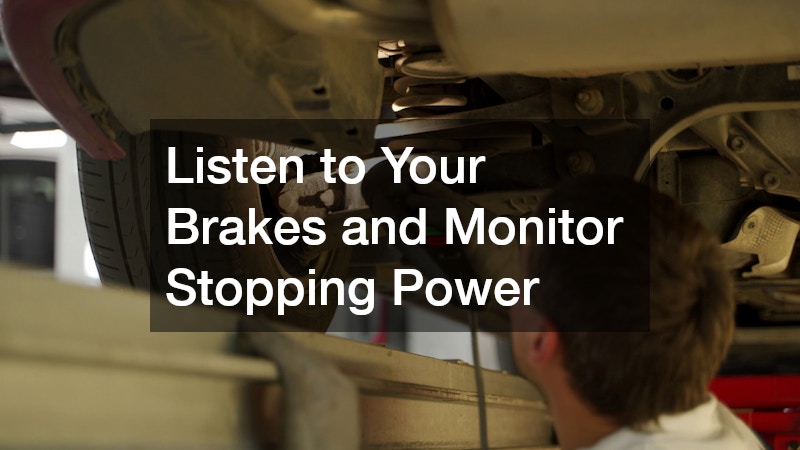
Auditory and Sensory Warning Signs
- Squealing: Most brake pads have a small metal tab called a wear indicator. When the pad material gets low, this tab drags against the rotor, creating a high-pitched squeal. This is your “early warning” system.
- Grinding: If you hear a loud, metallic grinding noise, you have likely worn through the pads entirely. This is metal-on-metal contact, which is dangerous and damages expensive components.
- Vibration: If the steering wheel shakes when you apply the brakes, your rotors may be warped (uneven). This reduces the contact area for the pads and increases stopping distance.
- Sponginess: If the brake pedal feels soft or sinks to the floor, you may have air in the brake lines or a fluid leak. This is a critical safety emergency.
Routine Inspections
You don’t always have to wait for a noise to check your brakes. A good rule of thumb is to have your brakes inspected every time you have your tires rotated (usually every 5,000 to 7,000 miles). A mechanic can measure the thickness of the pads in millimeters. Generally, anything under 3mm is considered the “danger zone” and requires replacement.
Ignoring these signs is a financial gamble that rarely pays off. Driving with worn pads causes excessive heat that can warp rotors and seize calipers. What could have been a simple pad replacement turns into a comprehensive brake repair job involving calipers, rotors, and fluid flushing. Furthermore, worn brakes significantly increase your stopping distance. In an emergency stop, those few extra feet can be the difference between a near-miss and a collision.
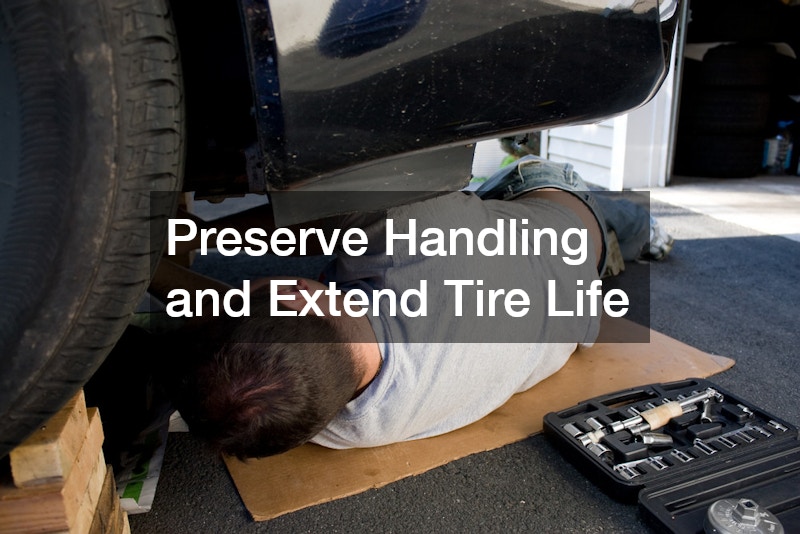
Preserve Handling and Extend Tire Life
Reading Your Tires
Tire maintenance begins with pressure. Under-inflated tires generate excessive heat, which can lead to blowouts, and they increase rolling resistance, which hurts fuel economy. Over-inflated tires reduce traction and lead to a harsh ride. Check your tire pressure once a month when the tires are cold. Do not rely on the number on the tire sidewall; look for the sticker inside the driver’s door jamb for the manufacturer’s recommended PSI.
The Importance of Geometry
Suspension Health
While checking tires, take a moment to consider the shocks and struts. These components dampen the energy from bumps. If your car dives drastically when you brake or continues to bounce like a boat after hitting a bump, your suspension is worn out. This affects how the tires maintain contact with the road, reducing your control during emergency maneuvers.
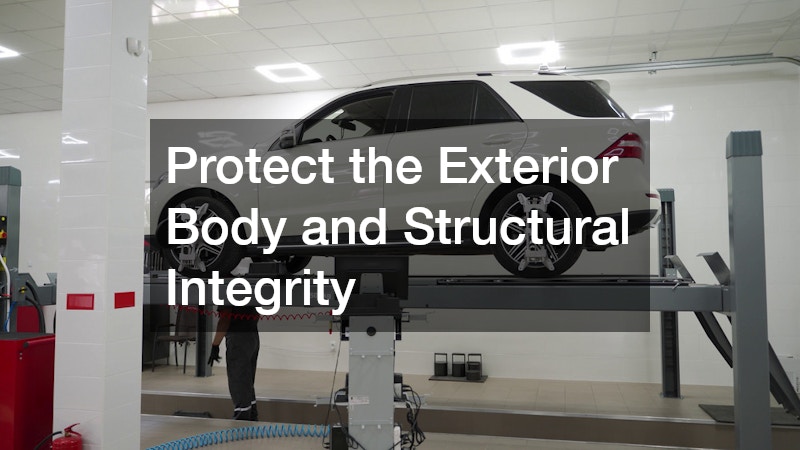
Protect the Exterior Body and Structural Integrity
The Enemy: Corrosion
- Wash Weekly: Heavy rinsing is needed to remove abrasive dirt.
- Wax Seasonally: Wax acts as a sacrificial barrier. It takes the brunt of the UV rays and acidity, so your clear coat doesn’t have to.
Dealing with Dings and Scratches
Post-Accident Assessment
Prepare for Emergencies and Roadside Breakdowns
The Essential Emergency Kit
- Jumper Cables or Jump Pack: Dead batteries are the most common cause of non-starts.
- Tire Changing Tools: Ensure your jack, lug wrench, and spare tire are in good condition. Check the air pressure in your spare tire annually—a flat spare is useless.
- Safety Gear: A flashlight with extra batteries, reflective triangles or flares, a first aid kit, and a warm blanket (especially in cold climates).
- Fluids: A quart of oil and a gallon of water or coolant.
Know Your Plan B
When the car simply won’t move, you need a plan. Standing on the side of a busy highway trying to Google local companies with a low battery on your phone is a recipe for stress. You should have a plan for vehicle recovery before you ever leave the driveway.
Build a Relationship with a Trusted Service Partner
Vetting the Experts
The Value of Loyalty
Conclusion
A vehicle is more than just a collection of steel, glass, and rubber; it is a system of interconnected parts that relies on you to function correctly. While modern cars are engineering marvels capable of incredible durability, they are not invincible. They require observation, care, and occasional investment.
By following this maintenance checklist—checking your fluids, listening to your brakes, inspecting your tires, and protecting the body—you are doing more than just keeping a car running. You are ensuring the safety of everyone who steps inside. You are also making a smart financial decision. The cost of a few oil changes, a new set of wiper blades, or a timely alignment is a fraction of the cost of a new engine or a new car payment.