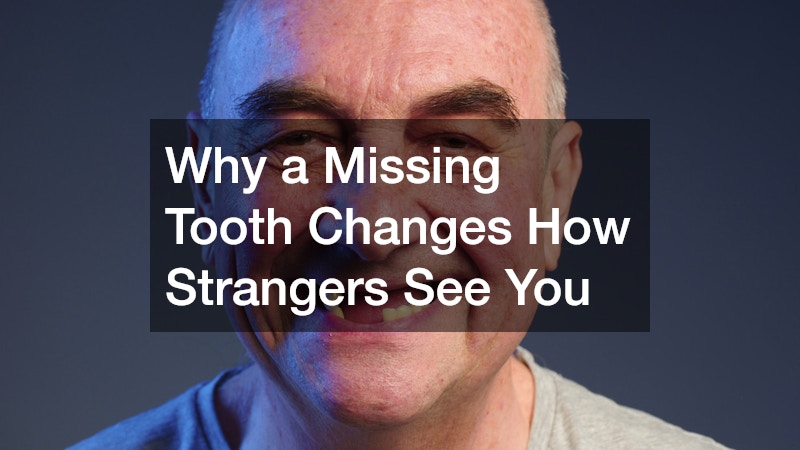

A gap in your smile does more than change how you chew or speak. Research and everyday experience both show that other people form snap judgments about age, health, and even trustworthiness within seconds of seeing a missing tooth. If you have been putting off replacing a tooth because it feels like a cosmetic afterthought, understanding the social and psychological ripple effects might change your mind. This article breaks down exactly how a missing tooth shifts first impressions and what your options look like for addressing it.
First Impressions Form in Under a Second
Psychologists who study facial perception have found that people size up strangers almost instantly, often before a single word is spoken. A visible gap in someone’s smile tends to draw the eye and becomes a focal point during that split-second scan. That focal point often gets mentally linked to assumptions about age, income, or even personal habits, whether those assumptions are fair or not.
This snap judgment process is not something people consciously choose to do. It is a byproduct of how human brains are wired to quickly categorize faces for safety and social sorting. Because of this, a missing tooth can quietly influence how approachable, competent, or healthy someone appears before any real conversation happens.
Strangers Often Link Tooth Loss to Age and Health
One of the most common assumptions strangers make is that a missing tooth signals advanced age, even when the person is decades younger than expected. Tooth loss has historically been associated with aging populations, so the brain defaults to that connection quickly. This can be especially frustrating for younger adults who lost a tooth due to an accident or injury rather than natural aging.
Beyond age, people frequently associate a gap in the smile with poor overall health or neglect of self-care. This assumption is not always accurate, since tooth loss can result from sports injuries, genetics, or medical treatments unrelated to hygiene. Still, the perception persists and can unfairly color how someone is treated in social or professional settings.
- Assumptions about age can affect dating and social confidence
- Health assumptions may influence hiring or workplace perceptions
- Strangers rarely ask for context before forming an opinion
- These snap judgments can happen in customer service, interviews, or first dates
Social Confidence Shifts When a Smile Feels Incomplete
Many people with a missing tooth report changes in their own behavior long before anyone else says a word to them. They may cover their mouth when laughing, speak with less animation, or avoid smiling in photos altogether. This self-consciousness can create a feedback loop where reduced confidence actually reinforces the negative impression strangers might form.
Over time, this pattern can affect how someone shows up in job interviews, networking events, or even casual conversations with neighbors. Confidence is often read as competence, so a hesitant smile can unintentionally undercut a person’s credibility. Addressing the physical gap frequently restores the natural, relaxed expressions that put both the person and those around them at ease.
Restoring Function and Appearance Through Modern Options
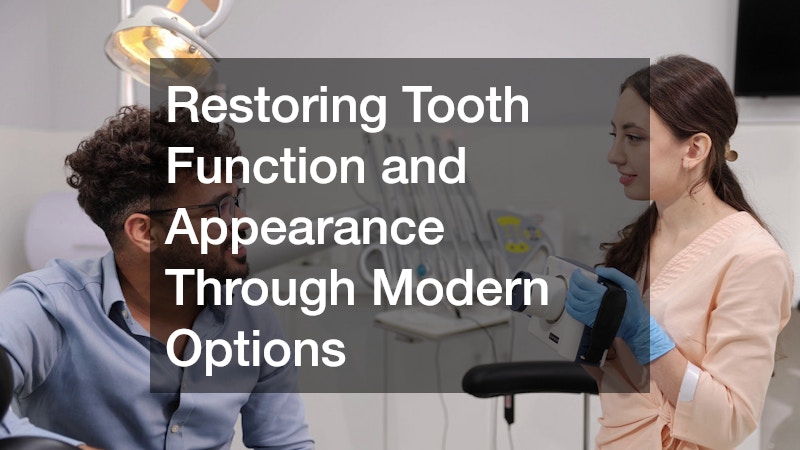
The good news is that tooth replacement technology has advanced significantly, giving people more realistic and durable options than in previous decades. Dental implant procedures, in particular, are designed to mimic the look, feel, and function of a natural tooth root, which helps prevent the sunken appearance that can happen when a tooth is missing for a long time. Because the replacement is anchored securely, it also supports normal speech patterns and chewing, which further reduces self-consciousness in social situations.
Choosing the right replacement option often depends on factors like bone health, budget, and how quickly someone needs a solution. A conversation with a dental professional can clarify which path makes sense for a person’s specific situation and timeline. Many people find that once the physical gap is addressed, the social hesitation that came with it fades much faster than expected.
- Implants are designed for long-term durability and a natural appearance
- Bridges can be a faster option depending on the situation
- Bone density and gum health both play a role in determining eligibility
- Recovery timelines vary based on the chosen procedure
Custom Fit Matters for a Natural-Looking Result
A replacement tooth that looks slightly off in color, shape, or alignment can draw just as much attention as the original gap. This is why precision matters so much in the fabrication process behind the scenes. An experienced orthodontic lab works closely with dental providers to craft crowns, bridges, or implant-supported teeth that blend seamlessly with a person’s existing smile, matching shade and shape with careful attention to detail.
This behind-the-scenes craftsmanship is often what separates a replacement that looks artificial from one that blends in naturally. Details like translucency, surface texture, and how light reflects off the tooth all contribute to a believable result. When this step is done well, strangers are far less likely to notice anything was ever missing in the first place.
Finding the Right Support for Your Replacement Journey
Deciding to replace a missing tooth can feel overwhelming, especially with so many treatment options and price points to consider. Scheduling a consultation at a dental office is a practical first step, since a provider can evaluate the gap, discuss realistic timelines, and walk through which materials or methods fit a person’s lifestyle and budget. Bringing a list of questions to that first appointment can help make the visit more productive.
It also helps to ask about follow-up care, expected lifespan of the replacement, and how the treatment plan might change if circumstances shift down the road. A good provider will take time to explain the reasoning behind their recommendations rather than rushing toward a single solution. Taking this collaborative approach often leads to better long-term satisfaction with the final result.
- Ask about materials used and their expected durability
- Request before-and-after photos of similar cases
- Clarify total costs, including any follow-up visits
- Discuss maintenance routines needed to protect the new tooth
A missing tooth affects far more than chewing ability, shaping subtle judgments strangers make within seconds of meeting someone. Understanding this social dynamic can be the push needed to finally address a gap that has been left untreated. The most productive next step is reaching out to a trusted dental provider to discuss which replacement option fits your needs, timeline, and budget. Taking that step not only restores your smile but can meaningfully shift how confidently you move through the world.