

When you buy a brand-new car straight from a dealership lot, you are driving away in a machine built for the average commuter. To keep prices low and appeal to millions of everyday drivers, manufacturers design vehicles using middle-of-the-road settings. This means standard cars are usually set up to be quiet, soft, and fuel-efficient, rather than fast, sharp, or highly capable. For drivers who crave crisp handling, fast acceleration, and rugged utility, standard factory settings can quickly grow boring and restrictive.
Taking your vehicle to the next level requires a smart, step-by-step upgrade plan. If you throw random parts at your car without a clear strategy, you can easily ruin your ride comfort, void your manufacturer’s warranty, or break your budget. To get the best results, you need to understand how different upgrades work together. This guide will walk you through a logical blueprint for safely customizing your car, covering everything from tire adjustments and truck upgrades to paint protection and financial safety nets.
Optimizing the Rolling Stock for Precision Handling
Upgrade Unsprung Mass and Fine-Tune Your Rubber Footprint
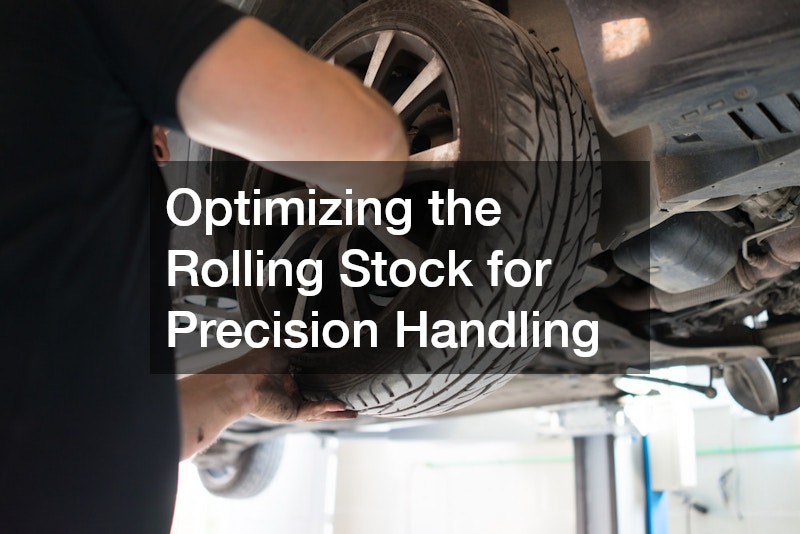
If you want to make your car feel faster and sharper on the road, the single best place to start is with the parts that actually touch the pavement. Many drivers think they need to add massive horsepower to the engine first, but extra power is useless if your vehicle cannot grip the road or slow down quickly. To fix this, you need to consider the concept of unsprung weight. This refers to the weight of all the parts of the car that are not supported by the suspension springs, including your wheels, tires, and brakes. Heavy wheels require more energy to turn and stop, which slows down your steering response.
You can easily fix this issue by swapping out your heavy, factory-installed cast-alloy wheels for lightweight alternatives. Selecting a forged custom rim not only delivers an aggressive, personalized stance but also significantly lowers wheel-assembly weight to improve overall suspension dampening. Because a forged metallic wheel is much lighter and stronger than cast aluminum, it allows your suspension to react faster to bumps and dips in the road. This drop in rotational weight lets your car accelerate more quickly, brake more quickly, and corner with much more stability, giving you a sporty feeling behind the wheel.
Once you have upgraded your wheels, you must pair them with high-quality rubber compounds. Standard factory tires are built to last a long time, but they do not offer much traction when you take a sharp turn at high speeds. Partnering with a specialized garage that offers comprehensive tire services ensures that your high-performance rubber is perfectly mounted, road-force balanced, and aligned to prevent uneven tread wear. Professional technicians can help you choose the right tread patterns and rubber stiffness for your local climate, making sure your car stays glued to the road during summer rainstorms or freezing winter nights.
- Key benefits of upgrading your wheels and tires:
- Lighter wheels decrease the physical strain on your braking components, stopping the car faster.
- High-performance tires feature stiffer sidewalls that prevent the rubber from rolling over during sharp turns.
- Proper alignment checks reduce rolling resistance, which can slightly boost your average fuel economy.
- Road-force balancing eliminates tiny high-speed vibrations that can cause steering wheel shake.
Enhancing Structural Towing and Cargo Configurations
Integrate Rugged Hauling Systems and Secure Open Cargo Vaults
True automotive performance is not just about driving fast around a racetrack; it is also about maximizing the everyday utility, storage space, and hauling capabilities of your vehicle. If you drive a large crossover, a sports utility vehicle, or a modern pickup truck, your vehicle is built on a heavy-duty frame that is capable of moving massive loads. However, without the right connection gear and cargo management tools, you will never be able to utilize that raw mechanical strength safely.
To your vehicle’s full utility potential, you need to connect your chassis to the world around you. Installing frame-mounted structural hitches enhances a vehicle’s utility, allowing you to seamlessly pull weekend trailers or attach heavy-duty platform gear racks. A professional installation shop can bolt a heavy-duty coupling device directly to a vehicle’s steel frame rails, ensuring that you can tow boats, camper vans, or utility trailers safely. They will also wire up the necessary electrical connections, making sure your trailer brakes and signal lights sync perfectly with your car’s computer.
If your performance vehicle features an open utility box, like a standard pickup truck, you face an entirely different set of cargo challenges. Open truck beds are terrible for highway fuel efficiency because the open tailgate acts like a massive parachute, catching rushing wind and creating a pocket of aerodynamic drag that forces your engine to burn extra fuel. Upgrading your truck with sleek, low-profile bed covers reduces highway aerodynamic drag while keeping expensive tools locked completely out of sight. Whether you choose a folding hard-shell cover or a rolling aluminum design, sealing off that open space keeps your cargo dry during severe rainstorms while saving you cash at the gas pump.
Shielding the Exterior Finish with Premium Molecular Armor
Apply Nano-Glass Barriers and Schedule Multi-Stage Chemical Restorations
Once your car handles beautifully and carries your gear efficiently, you need to turn your attention toward protecting its exterior surfaces. The paint on a modern vehicle is incredibly thin and fragile, consisting of a base color coat covered by a clear protective layer. Every time you drive down the highway, your clear coat is bombarded by kicking rocks, industrial road dust, acidic bird droppings, and intense ultraviolet sun rays. Over time, these hazards create thousands of microscopic scratches and fading spots, damaging your car’s finish.
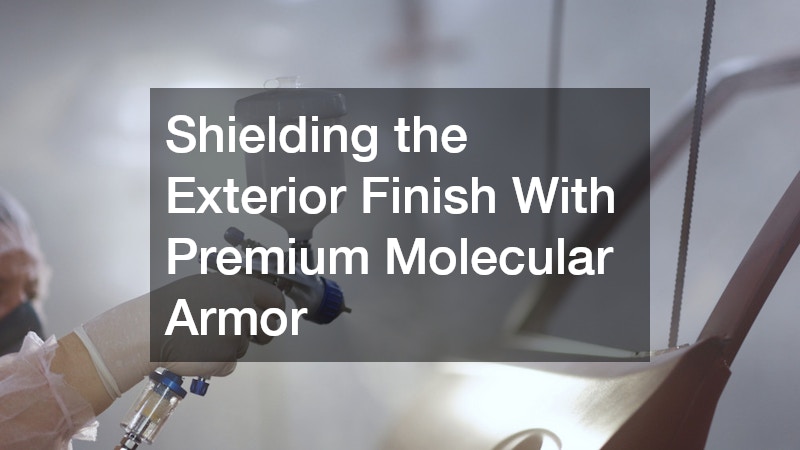
Traditional car waxes and spray-on polishes are no longer enough to defend your paint because they sit loosely on top of the surface and wash away after a couple of trips through a standard car wash. To build a permanent shield, you need to step up to modern nano-technology. Applying a professional-grade ceramic coating forms a semi-permanent nano-glass barrier that actively repels UV rays and blocks harsh chemical stains. This liquid polymer sinks deep into the microscopic pores of your clear coat, curing into a hard, glossy top layer that blocks contaminants from ever touching your actual factory paint finish.
Because a liquid-glass polymer forms a permanent bond with your car, any scratches or dirt locked beneath it will stay there forever. This means you must thoroughly clean and polish the vehicle before applying the final protective liquid. Investing in a multi-stage round of ceramic auto detailing eliminates existing paint swirls and deeply conditions the exterior surfaces before locking in the shine. Specialized detailers will wash the car with chemical clays to pull out hidden iron dust, run a mechanical buffer across the panels to smooth out tiny surface defects, and leave the clear coat completely mirror-flat before applying the permanent protective seal.
- Why advanced paint protection is a smart upgrade:
- It creates a super-hydrophobic surface that forces rainwater and mud to bead up and roll right off.
- The ultra-smooth layer prevents brake dust and road tar from baking into your wheels and side panels.
- It blocks solar ultraviolet rays from breaking down paint pigments, stopping color fading.
- It drastically simplifies your weekly car wash routine, requiring nothing more than a quick rinse.
Upgrading Greenhouse Insulation and Window Integrity
Deploy Solar-Rejection Films and Reinforce Optical Surfaces
While protecting your exterior paint is critical to your car’s look, you must also look after the large glass surfaces that wrap around your interior cabin. The greenhouse area of a car—which includes the windshield, side windows, and rear glass panels—allows a massive amount of solar energy to enter the vehicle. On hot summer days, this incoming solar energy acts like a greenhouse, trapping intense heat inside the cabin, bleaching your expensive leather seats, and forcing your air conditioning compressor to run at maximum power.
To lower cabin temperatures and protect your interior materials, you can apply advanced solar-blocking technology to your glass panels. Modern auto tinting utilizing multi-layer ceramic technology can reject up to 99% of ambient ultraviolet rays, keeping your cabin cool and protecting electronic displays. Unlike cheap, old-fashioned window tints that turned purple and bubbled over time, modern ceramic films contain microscopic metallic particles that block invisible heat rays without needing to be dangerously dark, allowing you to maintain perfect visibility during nighttime driving.
In addition to blocking solar heat, your window upgrades should focus on maintaining structural safety and optical clarity. Driving down gravel roads or highways can cause tiny rocks to pit and chip your glass surfaces, creating distracting glare spots when driving directly into the sun. Applying clear protective hydrophobic layers to your car glass ensures that heavy rainwater sheets away instantly, preserving your visibility during severe nighttime downpours. These advanced surface treatments fill in microscopic glass imperfections, creating a slick layer that forces water, ice, and highway bugs to slide away without leaving blurry streaks behind.
Rebuilding Structural Panels and Securing Legal Protections
Correct Exterior Sheet-Metal Flaws and Coordinate Financial Safety Nets
As you continue to upgrade and personalize your vehicle, you may eventually need to repair existing body flaws or alter structural panels to achieve your performance goals. For instance, if you install wider wheels and tires, you might need to roll your fender flares outward to prevent the rubber from rubbing against the sheet metal during sharp turns. Alternatively, you may need to patch up old rock chips, dented rocker panels, or misaligned bumpers to restore the clean factory aerodynamics of your car.
Handling these metal adjustments requires high-end equipment and trained eyes. The finest auto body shops utilize computer-guided spectrophotometers to guarantee that newly painted panels blend flawlessly with the rest of your vehicle. Skilled technicians can pull out dents without cracking your clear coat, replace heavy steel body parts with lightweight carbon-fiber panels, and align body panels perfectly to ensure that air flows smoothly over the vehicle at high speeds, minimizing aerodynamic drag and wind noise.
The final, and most often overlooked, phase of building a custom performance car takes place on paper rather than on the garage floor. When you invest thousands of dollars into high-end wheels, custom paint coatings, structural cargo systems, and specialized window films, the overall value of your vehicle increases dramatically. Failing to report your custom parts to your auto insurance agency could leave you financially vulnerable if those high-end components are damaged in a collision. By providing your insurance agent with itemized receipts, photos, and professional modification logs, you can adjust your policy limits to guarantee that your hard work and financial investments are fully covered in an emergency.
- Crucial steps to take when finalizing your car modifications:
- Keep a dedicated binder containing every single part’s receipt, service invoice, and warranty card.
- Take high-resolution before-and-after photos of every major mechanical and aesthetic upgrade.
- Request a written modification rider from your insurance agent to cover high-value custom additions.
- Regularly check that your custom parts remain fully compliant with your state’s vehicle safety codes.
Fine-Tuning the Interior Controls for Driver Connection

Upgrade Touchpoints and Calibrate Your Cabin Workspace
Now that the exterior shell of your vehicle is fully optimized, protected, and legally insured, you can step inside the cabin to focus on the final phase of custom performance: the driver workspace. The interior cockpit is where you actually connect with the machine; if your steering wheel feels slippery, your seats offer no side support during cornering, or your foot pedals are poorly spaced, you will never be able to experience the true handling capabilities of your upgraded suspension and wheels.
To maximize your connection to the road, start by upgrading the primary touchpoints that you interact with during every single drive. Replacing a worn, plastic factory steering wheel with a custom leather or alcantara-wrapped wheel provides a much firmer grip, preventing your hands from sliding during sudden maneuvers. Similarly, installing weighted shift knobs and adjustable aluminum pedal covers allows you to execute gear changes and braking adjustments with absolute precision. These subtle mechanical adjustments remove small delay times from your inputs, making the car feel like a natural extension of your own body.
Conclusion
Ready to transform your ride into a high-performance machine? Start your customization journey today! Whether you’re looking to enhance handling, improve towing capabilities, or elevate your vehicle’s overall utility, we provide the expert guidance and resources you need. Don’t settle for average—take control of your driving experience and unlock your vehicle’s full potential. Visit our website now to explore our range of upgrades and kickstart your project!