

A home is supposed to be your ultimate sanctuary, a place where you can escape the harsh elements of the outside world. However, unpredictable indoor temperatures can quickly turn that haven into an incredibly uncomfortable environment. When the dog days of summer hit, a stifling living room can make it impossible to relax or sleep. Conversely, during the bitter cold of winter, a freezing bedroom can be both miserable and hazardous to your health.
Unfortunately, the reality is that the vast majority of homeowners operate on a strictly reactive basis. They completely ignore their climate control equipment until the exact moment it completely fails, which inevitably happens on the absolute hottest or coldest day of the calendar year. This reactive approach leads to emergency dispatch fees, rushed decisions, and days spent in extreme discomfort while waiting for replacement parts to arrive from a distant warehouse.
By shifting to a proactive mindset, you can take control of your indoor environment. Focusing on routine maintenance, gaining a thorough understanding of the realistic lifespan of your mechanical equipment, and building trusting relationships with reliable local professionals long before disaster strikes will fundamentally change how you manage your property. This proactive strategy guarantees year-round comfort for your family while simultaneously and significantly lowering your monthly utility bills.
This comprehensive guide will walk you through every critical step of managing your home’s temperature systems. From conducting a personal energy audit and preparing your equipment for seasonal extremes to navigating the complex process of upgrading outdated machinery, you will learn exactly how to master your indoor climate.

Conduct a Comprehensive Audit of Your Existing Equipment
Before you can make any meaningful improvements to your home’s indoor environment, you must first understand exactly what you are working with. Instructing yourself to simply “fix the temperature” is too broad; you need to map out your home’s baseline performance. Start by walking through every single room in your house at different times of the day. Take careful notes regarding temperature disparities. Does the upstairs master bedroom feel ten degrees hotter than the downstairs kitchen? Is the guest bathroom always freezing? These localized hot or cold spots often indicate underlying ductwork issues, poor insulation, or a fundamentally unbalanced HVAC system that is struggling to push treated air evenly throughout the square footage of the property.
Once you have mapped the physical temperature disparities, it is time to look at the financial data. Gather your utility bills from the past twenty-four months and lay them out side-by-side. You are looking for unexplained, sudden spikes in energy usage that do not correlate with extreme weather events or a change in your family’s routine. A steady, creeping increase in electrical or gas consumption over a two-year period is usually the first major warning sign that your equipment is losing its efficiency and working twice as hard to produce the same results. Older heating and air conditioning setups notoriously degrade in efficiency as internal coils gather dirt and motors begin to wear down.
After reviewing the bills, you need to physically inspect the pathways that deliver the air. Provide yourself with a good flashlight and venture into your attic, basement, or crawlspace to check the visible ductwork. Look for disconnected joints, crushed flexible ducts, or leaky seams where expensive, treated air is escaping into unoccupied spaces.
-
Seal the Leaks: If you find small gaps or holes in the sheet metal ductwork, do not use standard cloth duct tape, as it degrades rapidly and peels off due to temperature fluctuations. Instead, use specialized aluminum foil tape or paint-on mastic sealant to create an airtight bond.
-
Check the Insulation: Ensure that the ducts running through unconditioned spaces (like a hot attic) are heavily wrapped in fiberglass insulation. If the insulation is falling off, the air inside the duct will lose its designated temperature before it ever reaches your living room vents.
-
Determine Equipment Age: Locate the metal data plate attached to the side of your primary mechanical cabinets. Write down the model number, serial number, and manufacturing date. This gives you a clear picture of whether your units are nearing the end of their realistic lifespan—typically 10 to 15 years for cooling units and 15 to 20 years for gas or oil furnaces.

Prepare Your Cooling Equipment for Peak Summer Performance
When the spring weather begins to warm up, it is time to shift your focus to the outdoor machinery that keeps you cool. Many homeowners simply switch their thermostats from “heat” to “cool” on the first hot day of May and hope for the best. This is a recipe for disaster. You must execute a pre-summer checklist to ensure the equipment is prepared for the heavy workload ahead. Start by walking outside to the large metal condenser unit sitting in your yard. Over the fall and winter, this unit likely accumulated a massive amount of leaves, twigs, dirt, and overgrown vegetation. You must clear a strict two-foot perimeter of empty space around the entire unit to ensure it can pull in enough fresh air to disperse heat effectively. Trim back bushes, pull weeds, and gently brush away debris from the delicate aluminum fins.
Inside the house, the most critical preventative task is replacing the indoor air filter. A clogged, dust-filled filter chokes the blower motor, restricts airflow, and forces the outdoor compressor to run continuously, which will skyrocket your electricity bill and drastically shorten the life of the machinery. Make it a habit to change this filter every thirty to ninety days, depending on the thickness of the filter, whether you have shedding pets, and the general dust levels in your region.
Beyond DIY tasks, there is immense value in preventative professional care. Booking a routine AC service appointment in the mild spring months, well before the summer rush hits, is a brilliant money-saving tactic. A trained technician can clean the internal evaporator coils, test the electrical capacitors, and check the refrigerant charge to ensure the machinery is operating at factory specifications.
You must also train your ears and nose to detect early warning signs of mechanical distress. If you turn on the thermostat and hear a loud grinding noise, it likely points to failing motor bearings. A high-pitched squealing sound usually indicates a worn-out fan belt. If the vents are blowing air that smells distinctly musty or like dirty socks, you probably have a clogged condensate drain line that is harboring mold and mildew in the drip pan.
-
Monitor the Cooling Speed: Pay attention to how long it takes your home to reach the desired temperature on a moderately warm day. If the machinery runs for three hours straight just to drop the temperature two degrees, there is a severe performance issue that needs investigating.
-
Check the Refrigerant Lines: Look at the thick, insulated copper pipe running from the outdoor unit into your house. It should feel cold to the touch and sweat slightly on a hot day. If you see thick, white ice accumulating on this line, turn the thermostat off immediately to prevent catastrophic compressor failure.
-
Address Issues Immediately: Nipping a minor problem in the bud—like replacing a fifty-dollar failing capacitor or patching a slow, tiny refrigerant leak—is infinitely better than ignoring the warning signs and suffering a total system breakdown that necessitates a multi-thousand-dollar AC repair right in the middle of a brutal July heatwave.

Inspect and Maintain Your Winter Heating Components Safely
As the leaves begin to fall and the nights turn chilly, your focus must pivot to the machinery that keeps you warm. Unlike cooling equipment, which primarily relies on electricity and refrigerant, heating equipment often involves the active combustion of fossil fuels like natural gas, propane, or heating oil. Because of this combustion process, winter maintenance is not just about physical comfort; it is a matter of absolute life safety for you and your family.
Before you ever ignite the burners for the first freeze of the season, you must test every single carbon monoxide detector in your home. Carbon monoxide is a colorless, odorless, and tasteless gas that is a natural byproduct of combustion. If your heating equipment malfunctions and fails to vent this gas safely outdoors, it can be fatal. Replace the batteries in your detectors and ensure you have one installed on every floor of your home, particularly outside of all sleeping areas. Furthermore, if you ever detect the faint, sulfur-like smell of rotten eggs near your equipment, evacuate the house immediately and call the gas company, as this indicates a highly dangerous fuel leak.
Airflow management remains just as critical in the winter as it is in the summer. If you neglect to swap out your filters, the restricted airflow will trap massive amounts of heat inside the metal cabinet. This forces the unit to work overtime, ultimately causing the central heat exchanger to overheat. If the heat exchanger overheats repeatedly, the metal will eventually crack, which allows lethal carbon monoxide gas to mix directly with the warm air being pushed into your living room vents.
While there are basic maintenance steps you can handle yourself, you must understand exactly when to step back and call in the specialists. If you look into the burner compartment and see a lazy, flickering, yellow pilot light instead of a crisp, steady blue flame, the gas is not burning cleanly or safely. If the machinery turns on for three minutes, abruptly shuts off, and then turns back on again shortly after (a process known as short-cycling), the safety sensors are likely tripping due to a dangerous internal condition.
-
Test the Blower Motor: Listen to the startup sequence. You should hear the burners ignite, followed shortly by the quiet hum of the blower motor pushing air. If the burners ignite but the blower motor fails to engage, the unit will dangerously overheat within minutes.
-
Clear the Exhaust Vents: Go outside and locate the PVC or metal exhaust pipes protruding from the side or roof of your house. Ensure they are completely free of bird nests, heavy snowdrifts, or debris that could block the toxic exhaust fumes from escaping properly.
-
Recognize Emergency Scenarios: Any situation involving cracked metal components, irregular flames, heavy soot buildup, or failing safety limit switches requires you to shut off the power at the breaker and schedule an emergency furnace repair immediately.
-
Hire the Right Expertise: When seeking help for combustion equipment, do not just hire a general handyman. Take the time to find a dedicated heating repair contractor who holds specific certifications for the exact fuel source and mechanical brand that your home utilizes to ensure the highest level of safety and technical competence.
Calculate the Return on Investment for Modernizing Your Equipment
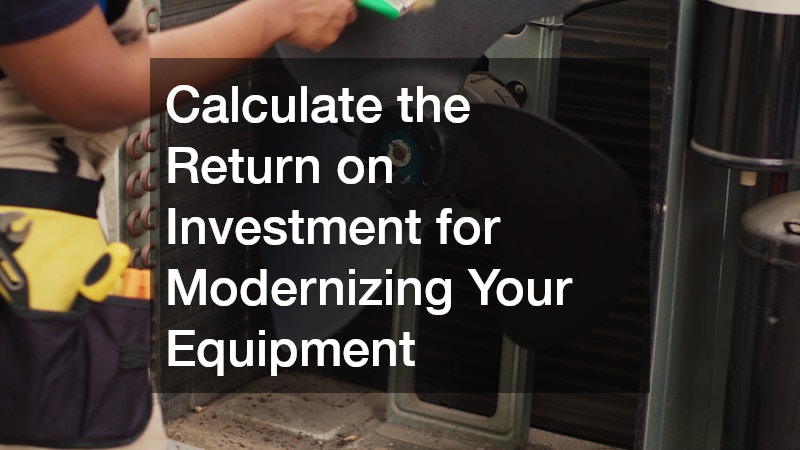
Eventually, regardless of how meticulously you maintain your machinery, every mechanical component will reach the end of its functional life. When older equipment begins breaking down with increasing frequency, homeowners are faced with a difficult and expensive decision: continue paying for temporary band-aid fixes, or invest the capital required for a total system replacement.
To make this decision logically rather than emotionally, it is highly recommended to use the “Repair vs. Replace Formula,” commonly known in the industry as the $5,000 rule. To calculate this, simply multiply the exact age of the equipment in years by the estimated cost of the currently proposed repair. If the resulting number exceeds $5,000, it is almost always more financially prudent to abandon the dying machinery and put that money toward a modern, highly efficient replacement. For example, if your twelve-year-old unit requires a $500 compressor replacement (12 x $500 = $6,000), you should replace the entire unit rather than sinking more funds into a failing asset.
When you do decide to modernize, you will be bombarded with a confusing array of acronyms representing efficiency ratings. Understanding these ratings is crucial for calculating your long-term return on investment. SEER2 (Seasonal Energy Efficiency Ratio) measures the cooling efficiency of an air conditioner, AFUE (Annual Fuel Utilization Efficiency) measures how efficiently a gas furnace converts fuel into heat, and HSPF (Heating Seasonal Performance Factor) measures the efficiency of electric heat pumps. Simply put, the higher the rating number, the more efficiently the unit operates, which directly translates to massive monthly savings on your utility bills over the next fifteen years.
However, buying the unit with the highest efficiency rating will be a complete waste of money if the machinery is not properly sized for your specific home. A common mistake is assuming that buying a bigger, more powerful unit will cool or heat the house faster and better. In reality, an oversized unit will violently blast treated air, satisfy the thermostat in five minutes, and then immediately shut off. This rapid short-cycling causes immense wear and tear on the motors and prevents the machinery from running long enough to properly dehumidify the indoor air, leaving your home feeling cold but uncomfortably clammy.
-
Demand a Load Calculation: Before signing any contracts, ensure that the professionals you hire perform a strict Manual J load calculation. This complex mathematical formula takes into account your home’s square footage, window placement, ceiling height, and insulation values to determine the exact capacity needed.
-
Rely on Specialists: Because precise sizing and intricate ductwork modifications are so vital to the success of a new system, you should exclusively utilize experienced air conditioning contractors who specialize specifically in residential retrofits and modern system design.
-
Evaluate the Ductwork: Do not attach a brand-new, high-efficiency machine to thirty-year-old, leaky, undersized ductwork. The new machinery requires specific airflow volumes to function properly, so you must factor in the cost of sealing, modifying, or replacing poor ductwork during the project.
-
Time Your Purchase: If your current equipment is old but still limping along, plan the logistics of a full AC installation for the industry’s off-season, which typically falls in the mild months of October or March. Manufacturers often offer deep rebates during these slow periods, and labor rates are generally much more competitive.

Vet and Select Reliable Professionals Before Emergencies Strike
The absolute worst time to start searching for a mechanical contractor is at 2:00 AM on a freezing January night when your home is rapidly losing heat, or during a sweltering August weekend when your living room feels like a sauna. When you wait until a mid-winter or mid-summer breakdown to find help, you become a desperation hire. Desperate homeowners do not have the time or leverage to negotiate prices, read reviews, or check credentials; they simply call the first number that pops up in a search engine and agree to whatever exorbitant price is quoted just to get the house comfortable again.
To protect yourself financially and guarantee high-quality workmanship, you must aggressively vet and select reliable professionals while your equipment is still functioning perfectly. This gives you the luxury of interviewing multiple candidates, comparing their operational practices, and establishing an account with them on your own terms.
When evaluating local HVAC companies, you must look far beyond flashy truck wraps and catchy radio jingles. You are looking for concrete proof of their competence and professionalism. First and foremost, verify that they hold active, current mechanical licenses required by your specific state or municipality. Next, demand proof of proper insurance. They must carry substantial general liability insurance to cover any accidental damage to your property, as well as worker’s compensation insurance to protect you from being sued if a technician is injured while working on your premises.
Furthermore, you should seek out technicians who hold NATE (North American Technician Excellence) certification. This is the industry’s gold standard for technical knowledge and proves that the individual working on your complex machinery has passed rigorous, third-party testing regarding modern climate control systems.
-
Demand Written Estimates: Never accept a verbal quote or a vaguely written price on the back of a business card. Professional outfits provide detailed, itemized, and legally binding written estimates that outline exactly what equipment is being installed, what labor is included, and what warranties apply.
-
Consider Maintenance Agreements: Evaluate the pros and cons of signing an annual service contract. While they cost money upfront, these agreements usually include two seasonal tune-ups per year, priority VIP scheduling if your unit breaks down during a heatwave, and valuable parts discounts from reputable HVAC contractors.
-
Watch for Over-the-Phone Estimates: Be incredibly wary of any company that attempts to diagnose a complex mechanical failure or quote a full system replacement over the phone without ever stepping foot on your property to evaluate the ductwork, electrical panel, and physical space constraints.
-
Beware of High-Pressure Tactics: Run away from technicians who aggressively push for full system replacements for relatively minor issues, who demand massive cash deposits upfront before any materials are delivered, or who use scare tactics to force you into signing a contract immediately.
Conclusion
Mastering your home’s indoor climate is not a one-time event or a luxury reserved only for the wealthy; it is an ongoing, highly proactive process of diligent property management. By treating your temperature control systems with the same respect and attention you give to your vehicle or your health, you transform your home from a source of unpredictable frustration into a reliable, perfectly balanced sanctuary regardless of what the weather is doing outside.
The financial reality of this approach is straightforward: while routine maintenance, seasonal tune-ups, and early, planned equipment replacements do require the expenditure of upfront capital, these investments actively protect you from devastating financial surprises. Spending a few hundred dollars a year on professional upkeep is the only proven way to shield yourself from multi-thousand-dollar emergency repair bills, severe secondary property damage from leaking water or frozen pipes, and inflated utility costs caused by horribly inefficient machinery.
Take the first step toward total climate control today. Do not wait for the seasons to change or for a strange noise to echo from your basement. Walk to your thermostat and check the batteries. Go to the store, purchase a high-quality pleated filter, and swap out the old one. Then, sit down and begin researching local, highly-rated mechanical experts to build out your essential home maintenance contact list. By taking these small, actionable steps right now, you guarantee that when extreme weather eventually arrives, your home will be perfectly prepared to handle it.