


A full home renovation can transform your living space, increase property value, and improve comfort and efficiency. However, taking on a project of this scale requires careful planning, clear communication, and strategic coordination of multiple contractors and trades. Without a comprehensive approach, renovations can quickly become costly, delayed, and stressful.
The key to a successful renovation lies in understanding each component of your home, from structural integrity to plumbing, HVAC systems, roofing, and interior finishes. Planning ensures that every task aligns with your goals, your budget, and the schedules of the professionals involved. This guide walks you through the most critical steps in planning a full home renovation, offering actionable tips for evaluating contractors, budgeting, scheduling, and maintaining quality throughout the process.
Section 1: Assessing Structural Integrity and Foundation Needs
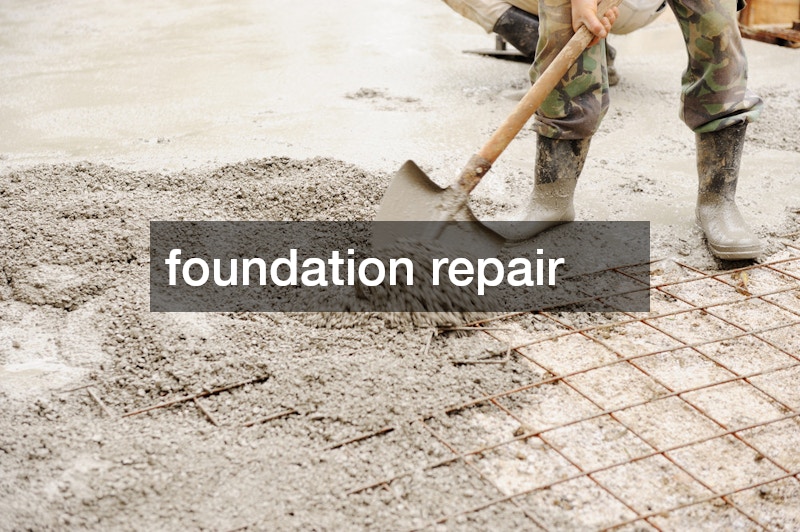
The foundation of a home is more than just a concrete slab or set of footings—it supports every component of your renovation, from flooring and walls to plumbing and roofing systems. Even minor foundation issues can escalate into significant structural problems if overlooked. Taking a proactive approach to foundation assessment ensures safety, prevents costly repairs, and allows other renovation tasks to proceed without disruption.
Signs That Foundation Repair May Be Needed
Homeowners often overlook early warning signs of foundation problems, but careful inspection can prevent long-term damage. Common indicators include:
-
Visible cracks in walls, floors, or ceilings: Small hairline cracks are sometimes cosmetic, but wide, jagged, or stair-step cracks can indicate serious structural shifts.
-
Doors and windows that stick or don’t close properly: Misaligned frames often signal foundation movement that can affect the entire home.
-
Uneven or sloping floors: Floors that tilt or sag suggest settling or shifting beneath the home, which can compromise weight distribution.
-
Water intrusion in basements or crawl spaces: Moisture can accelerate foundation deterioration, cause mold growth, and lead to plumbing issues.
Addressing these issues early allows you to integrate foundation repair into your renovation plan, preventing the need to remove or redo new flooring, cabinetry, or wall finishes.
Working with Local Home Builders
Local home builders play a critical role in coordinating foundation repair with broader renovation work. Their familiarity with regional building practices, materials, and permitting requirements ensures the repair is executed efficiently and in compliance with local codes.
When selecting a builder for foundation work:
-
Review experience: Confirm that the builder has handled foundation issues in homes similar to yours, including slab, pier-and-beam, or basement foundations. Ask for case studies or photos of completed projects.
-
Evaluate project management skills: Effective builders coordinate multiple subcontractors, schedule inspections, and manage timelines to prevent conflicts with flooring, plumbing, or roofing work.
-
Check references and past work: Speak with previous clients to gauge satisfaction, project timeliness, and the builder’s responsiveness to unexpected challenges.
Builders with a strong local presence often have established relationships with inspectors, engineers, and subcontractors, which can expedite approvals and ensure higher-quality work.
Planning Integration
Proper sequencing is crucial to avoid costly delays or rework:
-
Schedule foundation repair early: Addressing structural concerns before plumbing, electrical, or flooring installation prevents the need to undo new work to make corrections.
-
Coordinate with other renovations: Discuss potential impacts on walls, floors, and roofing with your builder. For example, settling may affect drywall alignment, cabinetry installation, or roofing connections.
-
Include contingency time and budget: Foundation projects can uncover hidden issues, such as soil instability or hidden water damage, which may require additional resources. Planning for contingencies ensures your overall renovation timeline and budget remain realistic.
By prioritizing foundation integrity and working closely with experienced local home builders, you create a strong, stable base for your entire renovation. This approach reduces risk, maintains safety, and ensures subsequent work—like plumbing, flooring, and roofing—can proceed efficiently and without complications.
Section 2: Planning and Coordinating Roofing Updates

A well-maintained roof is one of the most critical components of a successful home renovation. Beyond keeping out water and debris, a properly installed or repaired roof contributes to energy efficiency, indoor comfort, and the long-term value of the property. Ignoring roofing needs or delaying repairs during a renovation can compromise newly installed finishes, damage insulation or drywall, and even create safety hazards.
Evaluating Roofing Needs
Before scheduling any exterior work, a thorough roof assessment is essential. Consider the following factors:
-
Inspect for leaks, damaged shingles, or worn flashing: Water intrusion is one of the leading causes of structural and cosmetic damage. Look for curling, missing, or cracked shingles, as well as rust or separation around flashing and vents.
-
Consider ventilation, insulation, and energy-efficient upgrades: Proper attic ventilation prevents moisture buildup and extends roof lifespan. Adding insulation or reflective materials can reduce energy costs and improve comfort.
-
Determine whether repairs or full replacement is more cost-effective: Minor damage may only require targeted repairs, whereas widespread wear or outdated materials might justify a full replacement. Evaluate costs, long-term durability, and warranties when making this decision.
Taking the time to evaluate these needs ensures that your roofing project aligns with both your renovation goals and budget.
Working with Local Roofing Repairs
Local roofing repair specialists bring several advantages: familiarity with regional weather conditions, building codes, and material suppliers. When selecting a contractor:
-
Choose experienced professionals: Look for a contractor who handles both small repairs and large-scale projects, demonstrating flexibility and expertise.
-
Obtain detailed estimates: Ensure quotes include materials, labor, disposal, and any necessary permits. Confirm warranty coverage for both materials and workmanship.
-
Align roofing work with exterior renovations: Schedule roof work in coordination with siding, gutter, and exterior trim projects to prevent conflicts or delays. Proper sequencing prevents overlapping work that could damage newly installed features.
Working with reputable local roofing repairs ensures that your home is weather-tight and that the project integrates smoothly with the broader renovation timeline.
Integrating Handyman Services
Handyman services can complement roofing projects, particularly for smaller or specialized tasks that do not require full roofing expertise. Common examples include:
-
Fascia repair, gutter installation, or soffit maintenance: These tasks protect the roof’s edges and prevent water intrusion, supporting both the structural integrity and aesthetic appeal of the exterior.
-
Minor exterior fixes: Handymen can address siding adjustments, trim installation, or small roof penetrations that must be completed before or after major roofing work.
By delegating these tasks to skilled handymen, homeowners can free up roofing contractors to focus on more complex work, reducing scheduling conflicts and overall project delays.
Tips for Scheduling
-
Complete roof repairs before interior finishes: Water intrusion during a renovation can damage new flooring, drywall, and cabinetry. Ensuring the roof is secure early protects your investment.
-
Coordinate inspections with builders and roofing contractors: Confirm that all roofing work complies with local building codes and passes required inspections. Early coordination prevents unexpected stop-work orders and ensures long-term safety.
-
Plan around weather conditions: Schedule roofing projects during periods of favorable weather to reduce risk and prevent delays.
By carefully evaluating roofing needs, selecting skilled local roofing repairs, and integrating handyman services strategically, homeowners can ensure their roof supports the entire renovation process—protecting both the home and the investment in new interior and exterior features.
Section 3: Evaluating Plumbing Systems

Plumbing is the backbone of any functional home. During a full renovation, assessing and upgrading your plumbing system is critical to avoid leaks, water damage, and code violations.
Assessing Plumbing Needs
-
Inspect pipes for corrosion, leaks, or low water pressure
-
Evaluate water heaters and hot water distribution
-
Identify outdated materials like galvanized pipes or polybutylene lines
Choosing Between a Plumbing Company and Plumbing Contractors
-
A plumbing company can handle comprehensive service calls and ongoing maintenance
-
Plumbing contractors specialize in large-scale projects, such as rerouting pipes, installing new bathrooms, or upgrading kitchen plumbing
Coordinating Plumbing Work
-
Integrate plumbing upgrades with kitchen and bathroom renovations to prevent rework
-
Schedule inspections after rough-in plumbing but before drywall installation
-
Ensure all work complies with local codes to avoid fines or delays
Tips for budgeting and efficiency:
-
Request detailed quotes for labor, materials, and potential contingencies
-
Plan for unexpected repairs in older homes, including hidden leaks or corroded pipes
Section 4: Maintaining Clean Drains and Water Systems

Clogged or poorly maintained drains can disrupt a renovation, damage flooring, and cause long-term problems. Regular maintenance from drain cleaning services ensures your plumbing systems operate efficiently.
Benefits of Drain Cleaning
-
Prevents blockages during renovation when debris and dust can enter pipes
-
Reduces the risk of water damage in kitchens, bathrooms, and basements
-
Extends the life of your plumbing system
Selecting a Reliable Drain Cleaning Service
-
Choose providers with experience handling residential plumbing systems
-
Ensure they offer camera inspections and hydro-jetting for thorough cleaning
-
Schedule cleaning before major plumbing installations or flooring work
Integrating Plumbing Services
-
Maintain ongoing plumbing services to monitor system performance during and after renovation
-
Coordinate with your plumbing company or contractors to prevent overlap and delays
-
Keep a maintenance log to track inspections, cleanings, and repairs
Section 5: Heating, Cooling, and Indoor Climate Planning
A comfortable indoor climate depends on well-maintained heating and cooling systems. Renovations provide an opportunity to upgrade HVAC systems for efficiency and longevity.
Evaluating HVAC Systems
-
Inspect ducts, vents, and air filters for damage or wear
-
Test air conditioning units for cooling efficiency and refrigerant levels
-
Consider energy-efficient systems or smart thermostats for long-term savings
Planning AC Repairs
-
Schedule AC repairs before installing flooring or wall finishes to avoid dust contamination
-
Ensure technicians can handle system upgrades or replacements in coordination with other contractors
Working with HVAC Companies
-
Hire licensed HVAC companies with experience in residential renovations
-
Coordinate installation with electrical work, ceiling repairs, and insulation upgrades
-
Plan for system testing once interior finishes are complete to ensure optimal performance
Tips for efficiency:
-
Document existing ductwork and system specifications before renovation
-
Include maintenance and warranty considerations in contracts
Section 6: Coordinating Interior Upgrades and Handyman Tasks
Interior finishes bring a renovation to life, but scheduling minor tasks effectively prevents delays.
Handyman Tasks
-
Small carpentry work: trim, molding, shelving, and repairs
-
Drywall patching and painting prep
-
Fixture installation: light switches, hardware, and shelving
Collaborating with Local Home Builders
-
Builders can oversee larger projects while assigning minor, routine tasks to handymen
-
Handymen can provide flexibility for adjustments, quick fixes, or finishing touches
-
Clear task allocation ensures no overlap between subcontractors and prevents delays
Scheduling tips:
-
Handyman work is best completed after major structural, plumbing, and electrical work
-
Establish a task sequence to optimize efficiency and reduce downtime
Section 7: Integrating Utilities and Mechanical Systems
Renovations often involve upgrades to electrical, plumbing, HVAC, and gas systems. Proper integration ensures safety and functionality.
-
Map out all utility upgrades with contractors
-
Schedule mechanical work before wall finishes to allow access for inspections
-
Coordinate between trades to avoid conflicts and rework
-
Keep detailed records of all changes for future maintenance
Section 8: Budgeting and Timeline Management
Budgeting and scheduling are critical for a successful renovation. Without clear planning, costs and timelines can spiral out of control.
-
Create a comprehensive budget: include contractors, materials, permits, inspections, and contingencies
-
Phase the timeline: sequence structural, roofing, plumbing, HVAC, and interior work for maximum efficiency
-
Monitor progress: track milestones, communicate with contractors, and adjust schedules proactively
-
Include contingencies: plan for unexpected repairs or delays, especially in older homes
Section 9: Selecting Contractors and Evaluating Credentials
Hiring the right professionals is essential for quality and peace of mind.
-
Verify licenses, insurance, and certifications for all contractors
-
Check references and past projects to gauge experience and reliability
-
Identify red flags: incomplete quotes, unclear timelines, or poor communication
-
Establish clear contracts: define scope of work, payment schedules, and warranties
Section 10: Ensuring Long-Term Quality and Safety
Long-term success requires final inspections, proper documentation, and ongoing maintenance.
-
Schedule inspections for plumbing, HVAC, roofing, and structural work
-
Ensure handyman services complete finishing touches and minor adjustments
-
Test all systems, including AC, heating, and plumbing
-
Maintain records of warranties, inspections, and maintenance schedules for future reference
Planning a full home renovation is a complex, multi-step process that requires careful evaluation of structural, mechanical, and aesthetic components. By coordinating contractors, scheduling tasks strategically, budgeting carefully, and verifying credentials, homeowners can achieve a smooth renovation that meets both functional and aesthetic goals. Thorough planning and ongoing oversight ensure a durable, safe, and beautiful home for years to come.